
Huércal-Overa: History, Trails and Andalusian Culture
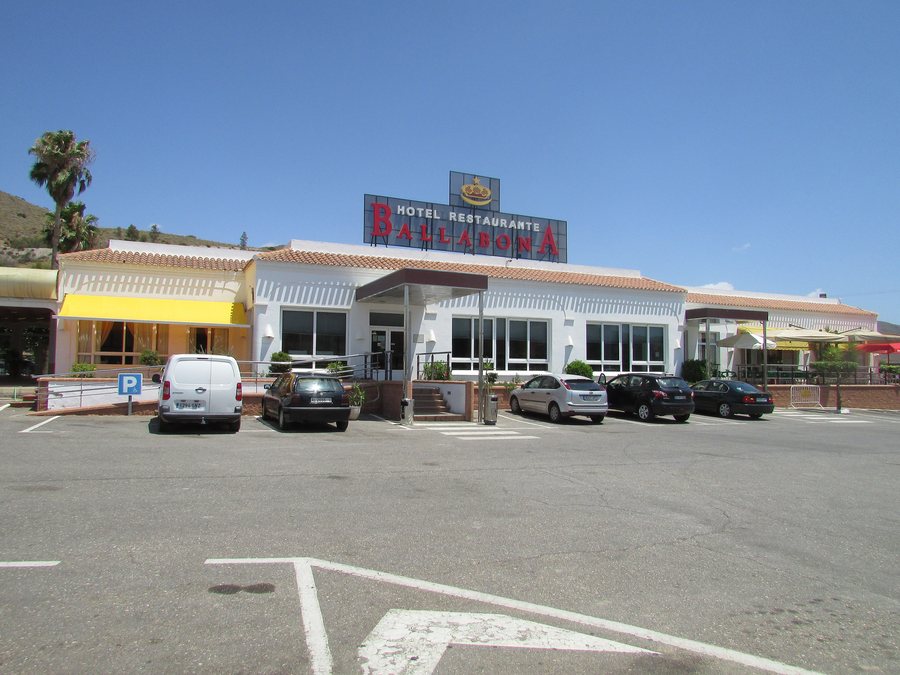 File:Hotel Restaurante Ballabona, Huércal-Overa, Almería, 14 July 2016.JPG
Photo: Kolforn via Wikimedia Commons, CC BY 3.0
File:Hotel Restaurante Ballabona, Huércal-Overa, Almería, 14 July 2016.JPG
Photo: Kolforn via Wikimedia Commons, CC BY 3.0
Culture and History
Castillo de Huércal-Overa has been classified as a Bien de Interés Cultural since 1985. The medieval castle reached its greatest importance during the Nasrid period; most of the surviving structures date from the 14th century.
A decorative motif carved into the stucco was discovered in the castle and identified as “Hom” or “Árbol de la Vida”. The “Árbol de la Vida” of Huércal-Overa, together with the example in Castillo de Gibralfaro in Málaga, is one of the few documented examples on the Iberian Peninsula.
The Civil War trenches around the castle include underground, gallery-like structures approximately 6 metres long. Several routes between Civil War trenches run through the municipality of Huércal-Overa; the trenches around the castle can be visited. One route to the trenches of Las Norias leads to three preserved structures that remain in their original condition.
Yacimiento Huércal la Vieja is a fortified granary on a summit in the Sierra Almagro. The site provides insight into life during the Muslim period, particularly in the 12th and 13th centuries. Yacimiento Huércal la Vieja served as a communal storage place for agricultural produce belonging to the farming communities of Huércal and Overa.
Iglesia de Ntra. Sra. de la Asunción has two towers and belongs to the Baroque style, with Murcian-inspired design. The parish church is listed as a monument in the General Catalogue of the Historical Heritage of Andalusia. Construction work on Iglesia de Ntra. Sra. de la Asunción was planned in 1709 and completed in 1739.
Water and Trails
The Museo del Agua presents the history of water and applied water technology—from Roman and Arab waterworks such as underground water channels, waterwheels and cisterns to modern systems such as drip irrigation, hydroponics and soilless cultivation. The museum has outdoor areas with exhibitions, including a waterwheel and a working fountain, as well as indoor spaces with further equipment, mechanisms and educational information panels.
The Vía Verde de Huércal-Overa connects Huércal-Overa and Almendricos along an 18-kilometre route. It is considered accessible and has information panels, rest areas, play areas and food and drink facilities. The Vía Verde routes are signposted; at various points there are information panels with QR codes that provide access to the complete routes.
The Huércal-Overa Town Council presented five routes that visitors can use on the Vía Verde within the municipality. The La Sierrecica route is 13.3 kilometres long and classified as moderately difficult.
Festivals and Regional Cuisine
Día del Villazgo de Huércal-Overa is an annual celebration commemorating the independence Huércal-Overa gained from the city of Lorca on 3 March 1668. Día del Villazgo includes historical reenactments depicting key moments in the history of Huércal-Overa.
The Degustho food event includes live cooking demonstrations, hands-on workshops, and wine and craft beer tastings. In La Glorieta, Plaza de la Constitución, many people gather to prepare Huércal-Overa’s traditional Christmas empanada, a white empanada made with almonds.
Every year, Huércal-Overa hosts a festival promoting tapas culture, showcasing products from the local huerta and introducing visitors to the municipality’s most important bars and restaurants.
Places directly belonging to Huércal-Overa include La Concepción and Almajalejo.
For the higher-level travel overview: Almeria.
Check prices, availability and amenities for your travel dates directly on Booking.com.
View accommodation and offersAdvertisement · Affiliate link to Booking.comMore Destinations
More places in the same destination:

