
Huesa: Church, Festive Traditions and Nature
Accommodation in Huesa
Culture and History
The parish church of Nuestra Señora de la Cabeza is Huesa’s most representative building and preserves the appearance of 18th-century religious architecture. Its most distinctive feature is the square-based tower, with four rectangular openings topped by semicircular arches and a four-sided tiled roof. The church contains 18th-century sculptures, including Nuestro Padre Jesús Nazareno and the Virgen de la Cabeza.
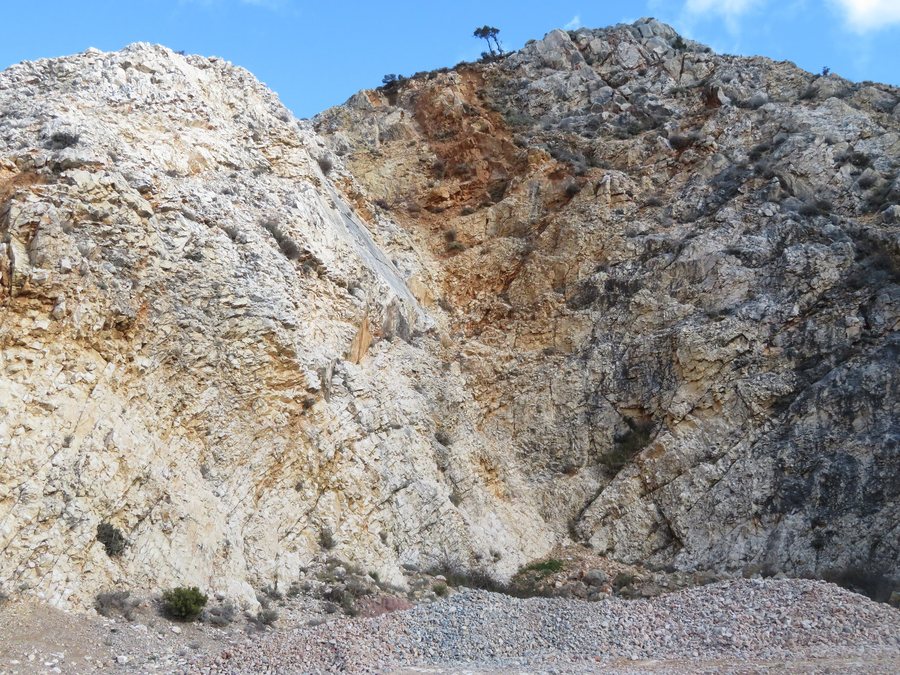 File:Comarca Cuencas Mineras, T.M. Huesa del Común, provincia de Teruel, España.jpg
Photo: Juan Emilio Prades Bel via Source, CC BY 4.0
File:Comarca Cuencas Mineras, T.M. Huesa del Común, provincia de Teruel, España.jpg
Photo: Juan Emilio Prades Bel via Source, CC BY 4.0
The remains of a Late Bronze Age settlement lie on Cerro Negro, extending across four stepped terraces. The remains of the former fortress of Huesa are located at the foot of an impressive rock face on today’s Calle de los Moros. Natural rocks and a double wall protected the site; the wall dates back to the 11th century. Another part of the town’s surviving history is the well-preserved electric flour mill Molino harinero El Gato, dating from the 1950s.
Festivals and Cuisine
The festival in honour of San Silvestre begins on the eve with the burning of the so-called “Castillos del Santo” in the church square. During the celebrations, the roles of Capitán, Abanderado and Guinche are assigned by drawing lots. In this order, the participants organise festivities in their homes and wear costumes inspired by the army’s gala uniforms from the 18th century. During the procession, the residents of Huesa decorate the streets by adorning their balconies and setting up colourful altars.
Huesa’s festive baking tradition includes the “roscos de baño blanco”, a sweet pastry of unequivocally Moorish origin that is offered to San Silvestre on 31 December and auctioned the following day. Cakes are also presented to visitors attending the San Marcos fair on 25 April. Huesa’s characteristic spicy gachas picantes are made with flour, dried red peppers, roasted peppers and ingredients that add heat. The dish of andrajos with game meat is known in Huesa and throughout the region as “talarines”.
Landscape and Trails
The north and northeast of Huesa are characterised by mountainous terrain with pine forests, among which olive groves lie at lower elevations; this part of the area belongs to the Sierras de Cazorla, Segura y Las Villas Nature Park. The Sierra del Caballo is a designated natural area of special interest located directly beside Huesa’s town centre.
The Monumento Natural de los Picos del Guadiana natural monument is a limestone cliff with prominent rocky peaks above the Guadiana Menor Valley. It runs from east to west, reaches elevations of more than 700 metres and clearly displays the vertical stratification of the rocks along its ridges. The natural monument is located near Huesa and is easy to see from the town. Near Huesa, a natural area combines a natural spring with the remains of an Arab castle. A beautiful natural area is characterised by a waterfall. Several stages of the GR-247 Bosques del Sur long-distance trail pass through the municipality of Huesa.
Other Places
Find more town pages here: Terque, El Campillo De Rodalquilar, Cantoria, Abrucena, Cóbdar, El Parador De Las Hortichuelas, Lucainena De Las Torres, Instinción.
Getting There
Huesa can be reached via the A-315 road, which connects the town with Quesada to the north and Hinojares to the south.
To the main travel overview: Almeria.

