
Pulpí: Geode, Coast and Cultural Heritage
Accommodation in Pulpí
Nature
The municipality of Pulpí is home to the Geoda de Pulpí, a geode approximately eight metres long and two metres high. It was discovered in 1999 and is covered with large gypsum crystals. Due to its transparency and state of preservation, it is considered a unique natural heritage site worldwide. At the same time, it is the world's largest visitable geode.
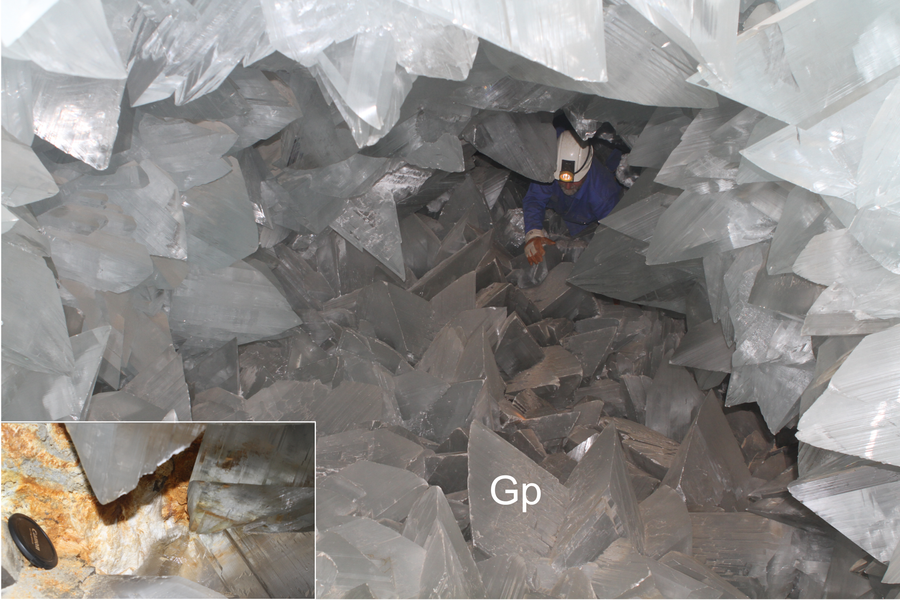 File:Geode of Pulpí interior.png
Photo: A. Canals; A.E.S. Van Driessche; F. Palero; J.M. García-Ruiz via Wikimedia Commons, CC BY 4.0
File:Geode of Pulpí interior.png
Photo: A. Canals; A.E.S. Van Driessche; F. Palero; J.M. García-Ruiz via Wikimedia Commons, CC BY 4.0
The Isla de Terreros e Isla Negra Natural Monument comprises two small volcanic islands near the coast of Almería. Isla de Terreros is home to one of the most important seabird breeding grounds in the province of Almería. The ZEC Sierras de Almagrera, de los Pinos y el Aguilón extends partly across Pulpí and includes steep coastal cliffs, small beaches and coves. It serves as a refuge for one of the last well-preserved populations of the spur-thighed tortoise on the Iberian Peninsula.
One beach in Pulpí is 150 metres long, has crystal-clear water and forms a natural pool. Another developed beach is 250 metres long and has golden sand as well as shallow, calm water. A fossil beach is of geomorphological and palaeontological interest; pebbles, coarse sand and rocks alternate along its shore, while the surf is usually moderate. The coastal landscape therefore includes not only beaches but also volcanic islands, steep cliffs, coves and protected marine areas. In the surroundings of the Mirador del Apartadero–Playa Cocedores route, islets and underwater biodiversity are also part of the natural environment described.
Other local destinations: San Juan De Los Terreros.
Culture
The Iglesia de San Miguel in Pulpí is listed in the General Catalogue of Andalusian Historical Heritage. It was built in 1801 during the reign of Charles IV. The church has a rectangular floor plan and a single-nave layout.
The Centro del Hábitat Rural de Pulpí conveys local identity and collective memory through objects, bilingual information panels in Spanish and English, and audiovisual media. It also presents tangible and intangible heritage associated with traditional agriculture and livestock farming. Groups can visit the centre by prior appointment.
The permanent exhibition “Sala de Luminiscencia” displays 1,000 samples of fluorescent minerals; it is visited as part of a guided tour with explanations. The permanent exhibition “Pintor Pedro Antonio” displays paintings by the artist Pedro Antonio Martínez, who was born in Pulpí.
The Espacio Escénico Pulpí is a venue for various performing arts. It is used for public events.
Hiking
The Pulpí–San Juan de los Terreros hiking trail begins in Pulpí, runs along the Mediterranean coast and offers beaches, steep cliffs and picturesque seascapes. The Mirador del Apartadero–Playa Cocedores route passes through the protected marine environment of Fondos Marinos del Levante Almeriense, with its islets and underwater biodiversity.
For the higher-level travel overview: Almeria.
Other destinations
Other places within the same destination:

