
El Puerto de Santa María between coast, nature and culture
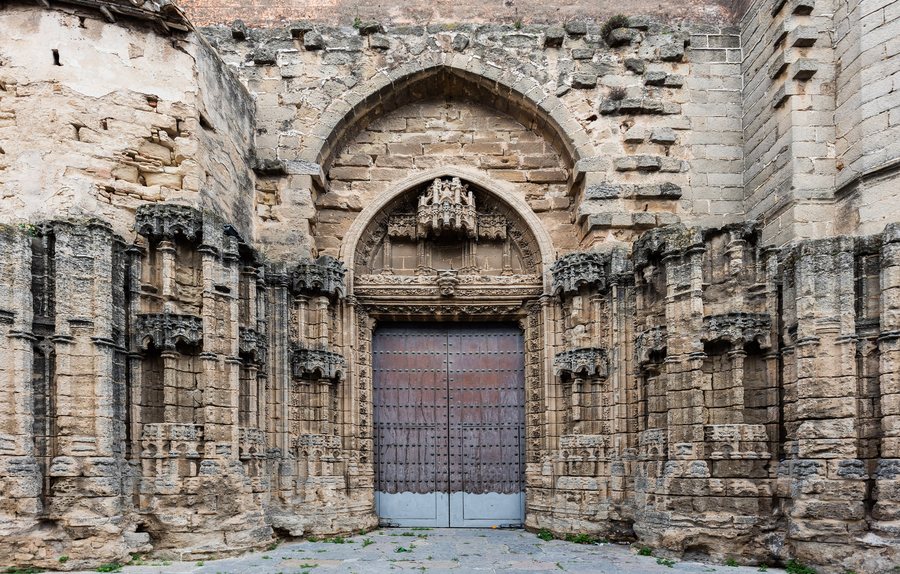 File:Iglesia Mayor Prioral, El Puerto de Santa María, España, 2015-12-08, DD 14.JPG
Photo: Diego Delso via Wikimedia Commons, CC BY-SA 4.0
File:Iglesia Mayor Prioral, El Puerto de Santa María, España, 2015-12-08, DD 14.JPG
Photo: Diego Delso via Wikimedia Commons, CC BY-SA 4.0
Between the coast and protected nature
El Puerto de Santa María is located in the Bay of Cádiz Nature Park and combines a distinctive coastal landscape with protected natural areas. The coastline stretches for 16 kilometres and consists mainly of low-lying sandy beaches. In addition, there are 200 hectares of pine forests and the 773-hectare marshlands of Los Toruños. More than 15 kilometres of beaches with fine, golden sand complete this landscape.
Archaeology and architectural heritage
The archaeological site of Castillo de Doña Blanca was continuously inhabited from the 8th century BC until the arrival of the Romans on the Iberian Peninsula at the end of the 3rd century BC, in connection with the Second Punic War. It is significant for research into protohistory on the Iberian Peninsula and in the Mediterranean region, particularly for the study of the Phoenician presence in Cádiz. Admission is free; for reasons of visitor and building safety, access is possible only up to the permitted number of visitors.
The Ruta Sacra leads through the churches, monasteries, chapels and hermitages of El Puerto de Santa María, which are of historical and artistic interest. At the Iglesia Mayor Prioral, the original layout dates back to the 15th century; the Gothic Portada del Perdón also belongs to this construction phase. Castillo de San Marcos, a fortified church, has been protected as a Bien de Interés Cultural since 1920.
Marshlands, lagoons and active excursions
The Los Toruños Metropolitan Park offers mini-train rides, activities involving bicycles and roller skates, water sports, ecological gardens and hiking. The municipality of El Puerto de Santa María also has nine signposted cycling routes. The endorheic complex comprises the Salada, Juncosa and Chica, also known as de la Compañía, lagoons; they were protected as Integral Zoological Reserves in 1987.
The Coto de la Isleta environmental education and nature activities centre is located in the municipality and forms the entrance to the Bay of Cádiz Nature Park. Water sports and sporting activities, as well as climbing on the climbing wall, archery and a water park, are offered there. This places landscapes, protected lagoons and various forms of physical activity alongside one another as distinct themes.
Wine, cuisine and literature
In the Bay of Cádiz, the regional cuisine includes fish and seafood from the Atlantic, vegetables and horticultural produce, as well as dishes such as Tortillita de camarones, Urta a la roteña and Sopa marinera. The wine selection includes wines from the designations of origin Jerez-Xérès-Sherry and Manzanilla-Sanlúcar de Barrameda. At Bodegas Gutiérrez-Colosía, the programme includes a guided tour of the bodega with explanations of the ageing process and a commented tasting of six wines: Fino, Amontillado, Oloroso, Cream, Moscatel and Pedro Ximénez. The Fundación Rafael Alberti presents a permanent exhibition with documents from the poet's literary and artistic life.
Connection to Cádiz
A regular catamaran service connects El Puerto de Santa María with Cádiz; the journey takes around 30 minutes.
Check prices, availability and amenities for your travel dates directly on Booking.com.
View accommodation and offersAdvertisement · Affiliate link to Booking.comOther destinations
Other destinations for regional orientation: Medina Sidonia, La Línea De La Concepción, San Fernando, Sanlúcar De Barrameda, Bornos, Prado Del Rey, Poblado De Doña Blanca.
For the overarching travel overview: Cadiz.
More about the destination
Relevant information for planning your trip:

