
Sierra Nevada: High Mountains, Hiking and Winter Sports
The Sierra Nevada combines high mountains, winter sports and summer mountain scenery with the cultural city of Granada. Depending on the altitude and season, routes, access and requirements can vary considerably. This guide helps you choose between a day on the slopes, a hike, a mountain village and a stay in the valley.
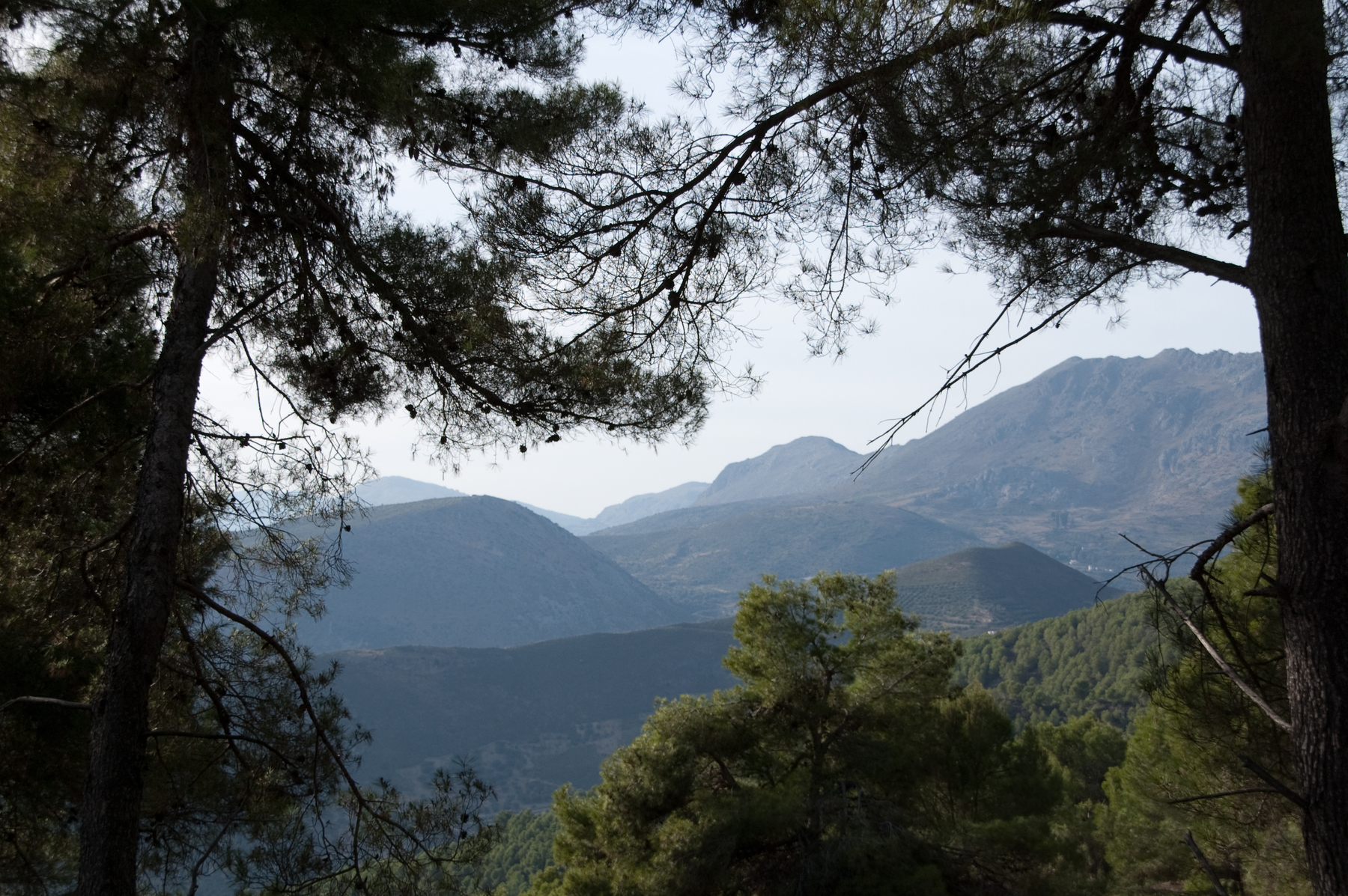 Eine Bergkette ist durch die Zweige von Pinien zu sehen.
Photo: A. Janßen (MaxTD Imagebank)
Eine Bergkette ist durch die Zweige von Pinien zu sehen.
Photo: A. Janßen (MaxTD Imagebank)
Key facts
- The Sierra Nevada is a high mountain range in southern Spain, primarily in the province of Granada.
- High peaks, deep valleys and significant changes in elevation shape the experience.
- Depending on conditions, winter and spring are suitable for winter sports; summer and autumn offer many mountain activities.
- Granada combines a visit to the mountains with urban history, culture and gastronomy.
- The Alpujarras complement the mountain range with villages, terraced landscapes and quiet roads.
- Check the weather, altitude, trail conditions and physical demands before every outing.
- A trip into the high mountains is no ordinary outing: plan your return, water supply and a time buffer.
Choose your mountain experience by season
The Sierra Nevada changes character dramatically throughout the year. In winter, snow and winter sports may take center stage, while in summer hiking, views and mountain villages become more important. In spring, trail and road conditions vary with altitude. For any specific outing, check the latest weather, traffic and area advisories; general claims about open trails or snow conditions cannot be relied on.
If you are visiting the region for the first time, you could use the city of Granada as your base. This lets you combine culture and mountain scenery without spending your entire stay at high altitude. The city break in Andalusia guide shows how Granada can be combined with Córdoba, Seville and Málaga.
Hiking, winter sports and altitude
For hiking, it is not just the distance that matters, but also the elevation gain, thin air, sun exposure and return time. A short route at high altitude can be more strenuous than a longer walk in the valley. Water, sun protection, warm clothing for changing weather and a realistic turnaround point are therefore essential parts of your preparation. Only use trails that are currently open and appropriate for your level of experience.
Winter sports depend on current snow conditions and the operation of the relevant facilities. Check the official operators’ websites shortly before travelling for information on lifts, access, parking, equipment and lessons. Even if you do not ski, you can still experience the region through Granada, mountain villages and suitable viewpoints. The guide to skiing holidays in Andalusia can help you decide what kind of trip is right for you.
The Alpujarras and other combinations
The Alpujarras lie on the southern slopes of the Sierra Nevada and are known for their villages, terraces and winding roads. An excursion there takes longer than the map might suggest. Guadix adds a distinctive landscape and local history to the region; the best route depends on your starting point and how long you want to spend travelling that day.
The Sierra de Grazalema offers another mountain range for comparison. Its landscape and elevation profile are different, so it is not simply a substitute for the Sierra Nevada. Nature lovers might also consider Sierra de las Nieves and Sierra de Aracena as distinct destinations.
Practical preparations for a mountain stay
Staying in the valley makes it easier to shop, take breaks and adapt to the weather. Staying directly in the high mountains can save travel time, but you will need to check access, provisions and altitude more carefully. For a family trip, short walks, warm places to retreat to and a flexible daily schedule are more important than seeking out the highest viewpoint. The family holiday guide can help you choose age-appropriate activities.
The journey from the coast is also part of the plan. If you are travelling from the Costa del Sol or the Costa Tropical, do not try to fit in a full day in the mountains as well as a late return journey. It is better to stay in Granada or set a clear, limited goal and allow extra time. The official Junta de Andalucía visitor portal is a useful place to check current information about natural areas and access.
When choosing between the valley, a village and the high mountains, take your own experience into account as well. Altitude, sun exposure and changing temperatures can make an easy walk more strenuous than expected. If you prefer to travel at a slower pace, plan several short stays and leave room for changes in the weather, rather than committing to a summit or a set distance every day.
Frequently asked questions about the Sierra Nevada
When is the best time to visit the Sierra Nevada?
It depends on what you want to do. Winter sports require suitable snow conditions, while hiking at many elevations is more comfortable outside the hottest weeks of summer.
Is the Sierra Nevada suitable for beginners?
Yes, if you choose a suitable short route or a supervised winter sports activity. Do not underestimate the altitude, weather or trail conditions.
Can I combine Granada and the Sierra Nevada?
Yes. Granada makes a good cultural base, while individual days in the mountains can be planned around the weather, driving time and physical demands.
Do I need a car to visit?
A car is useful for reaching some mountain villages and travelling flexibly between stops. Check access roads, parking and any current restrictions in advance.
What should I pack in my daypack?
Water, sun protection, suitable clothing, sturdy shoes and a charged mobile phone. Depending on the route, you may also need a map, food and an extra warm layer.
Can I visit the Sierra Nevada in summer?
Yes. Hiking, views, mountain villages and combining the trip with Granada are the main attractions; check current trail conditions and cable car services before you go.
