
Semana Santa in Andalusia: Processions and Travel Planning
Semana Santa shapes Holy Week in many Andalusian cities with processions, music and crowded streets. For travelers, it is a striking cultural event, but it calls for different planning than an ordinary city break: accommodation, travel routes and evening plans change, and the religious significance of the celebrations deserves respect. Those who choose a city and a few good viewing spots in advance usually enjoy a more relaxed week.
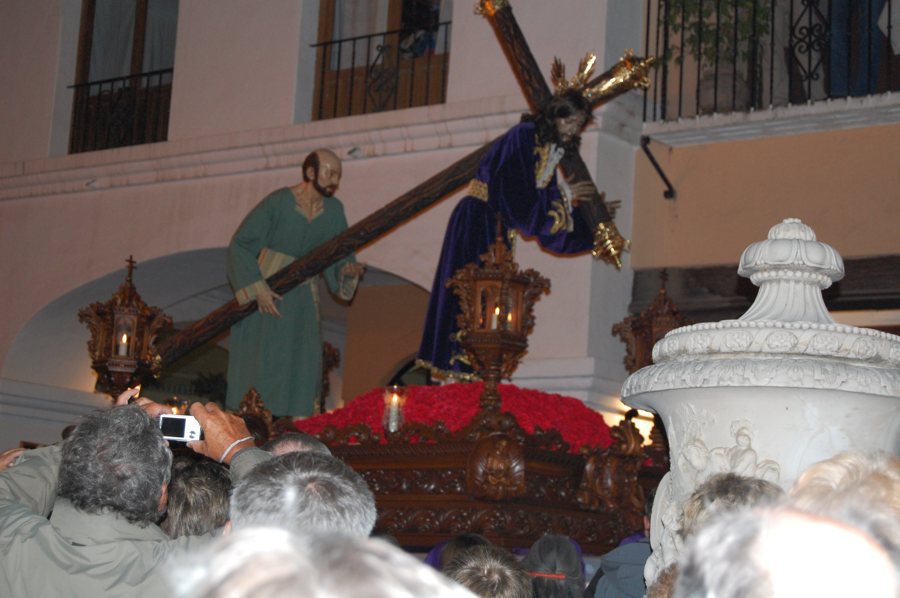 Prozession mit Christusfigur und Zuschauern in Andalusien.
Photo: A. Janßen (MaxTD Imagebank)
Key facts
- Semana Santa runs from Palm Sunday to Easter Sunday; the dates change each year.
- Seville and Málaga are especially well-known destinations, but many other cities have their own traditions.
- Procession routes, times and access arrangements are published anew each year.
- Central streets can become very crowded in the evenings.
- Comfortable shoes, water and a clear route back are essential.
Which city is right for your visit?
Seville is known for a packed series of processions in the old town, while Málaga brings the city, port and Holy Week program together in its own way. Córdoba, Granada and Cádiz also make excellent cultural getaways. For a first visit, staying overnight in one city is often better than trying to visit several places in a single day.
Check schedules and routes in advance
Exact procession routes, times and closures can change. The official Andalusia tourism portal offers a regional overview; for details about a specific city, check local information as well. Choose a section with enough space and have an alternative in mind in case a street is already crowded. For other events throughout the year, see the overview of festivals and events in Andalusia; Seville's Feria de Abril takes place later in the spring.
Getting there, accommodation and getting back
Book your accommodation and transport early, especially if you plan to attend processions in the evening. The information on transport and public mobility will help you prepare, while airports in Andalusia can help you choose where to arrive. For a round trip, consider the city tour of Andalusia, but avoid cramming too many changes of location into Holy Week.
Watch respectfully
The processions are religious events as well as part of local culture. Keep passageways clear, follow instructions and be discreet when taking photographs. Families often find earlier times and less crowded areas more comfortable. If you would like to experience the city at a quieter pace afterward, plan a walk along the Guadalquivir or set aside another day for museums and parks.
Make the most of your day
A procession pairs well with a quiet morning in the old town. Set a fixed meeting point for the evening and plan a route back that avoids the most crowded streets. Public transport may be diverted closer to the center or be busier than usual.
If you are planning just one evening, it is better to choose an easily accessible route than several program highlights far apart. That leaves time to take in the music, the figures and the atmosphere without constantly having to change locations.
With children and limited time
Families benefit from an early visit in daylight and a viewing spot with enough space around them. A small snack, water and a meeting point agreed on in advance make it easier to find your way around. For a short stay, one procession is often enough, combined with another cultural activity in the same city.
FAQ about Semana Santa in Andalusia
When does Semana Santa take place?
It covers the week before Easter. The exact dates change every year.
Where can you experience it most intensely?
Seville and Málaga are especially well-known; other cities also have their own traditions, which are often a little quieter.
Do you need to buy tickets?
Many processions can be watched in public spaces. Rules for seating or special areas vary from city to city.
How early should you arrive along the route?
It depends on the city, day of the week and section you want to see. At popular central locations, arrive well before the expected start and know where you can go as an alternative.
Are the processions free?
Watching from public streets is generally free. Rules and fees for grandstands, reserved seats or special areas may vary from city to city.
Is Semana Santa suitable for families?
Yes, if you choose earlier times, less crowded areas and a clear route back. With young children, a shorter visit is recommended rather than attending a late, very crowded event.
