
Via de la Plata from Seville: Route, Stages, and Trip Planning
The Via de la Plata begins in Seville and follows a historic pilgrimage route north. Whether you plan to walk only the Andalusian section or continue along the full route through Extremadura to Santiago de Compostela, you’ll need a realistic stage plan, the right time of year, and good preparation. This guide explains how to organize your start in Seville and which places to consider for the first few days.
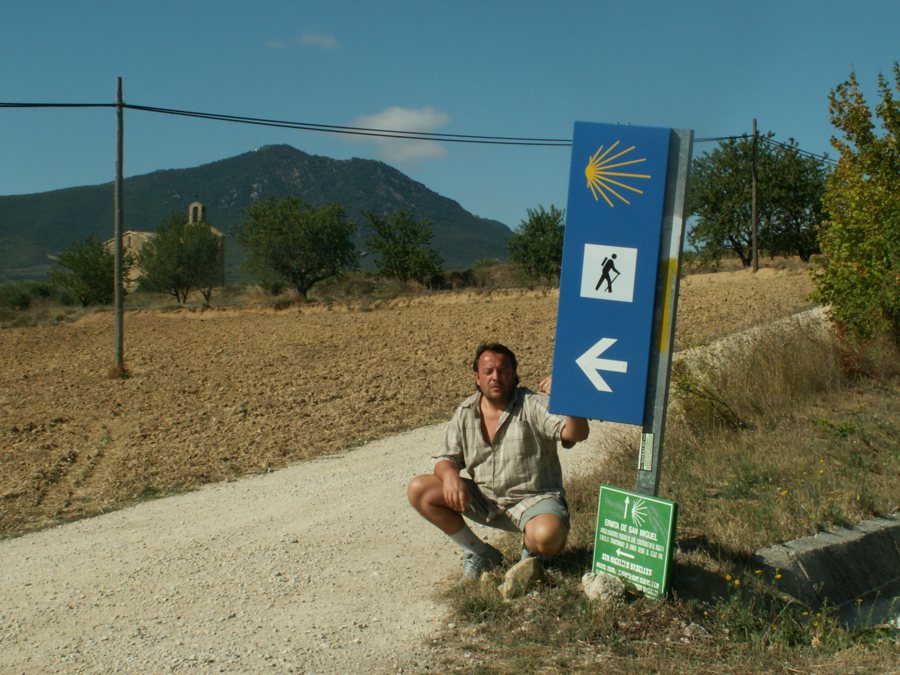 Symbolbild eines Pilgers an einer Jakobsweg-Markierung in bergiger Landschaft; die Aufnahme zeigt nicht den konkreten Verlauf der Via de la Plata.
Photo: Voyagemedia - RRinnau
Symbolbild eines Pilgers an einer Jakobsweg-Markierung in bergiger Landschaft; die Aufnahme zeigt nicht den konkreten Verlauf der Via de la Plata.
Photo: Voyagemedia - RRinnau
Key facts
- The Via de la Plata starts in Seville and initially runs through the northern part of Seville province.
- Well-known places along the opening stages include Guillena, Castilblanco de los Arroyos, Almadén de la Plata, and El Real de la Jara.
- The route then continues towards Extremadura; farther along, there are several connections to other Camino de Santiago routes.
- Spring and autumn are usually more pleasant than the hottest summer months for long daily stages in southern Spain.
- Plan stages around elevation gain, water stops, accommodation, and return options—not just distance.
- You’ll need good footwear, sun protection, plenty of water, and up-to-date information on the route and accommodation.
Where does the Via de la Plata begin?
The southern Camino de Santiago route begins in Seville. The city is therefore not only a starting point, but also a good place to spend a day or two preparing. Before setting off, you can arrange your travel, pack, pilgrim passport, and first night’s accommodation. It’s also a good idea to acclimatize to the climate and avoid starting your first stage straight after a long flight or a late train journey.
Today, the name Via de la Plata refers to a pilgrimage route that follows historic transport links. It should not be confused with a single modern road. Markings, the route, and practical conditions can vary from one section to another. For day-to-day planning, consult the latest information from the relevant local authorities, hostels, and pilgrim organizations.
The first stages from Seville
From Seville, the route first heads out of the city towards Guillena. It then continues via Castilblanco de los Arroyos to Almadén de la Plata and El Real de la Jara. These towns are useful for planning because they offer different options for breaks, food, and overnight stays. No single stage suits every walker: heat, climbs, terrain, and water availability can all make a significant difference to the effort involved.
For your accommodation search, use the overview of accommodation in Seville as a starting point. For the first, more rural sections, you can also consult information on Almadén de la Plata, Castilblanco de los Arroyos, and El Real de la Jara. Before booking, check that the accommodation accepts pilgrims, can take your luggage, and will be open on your planned arrival date.
When to go and how to plan your day
For many pilgrims, spring and autumn are the most pleasant seasons. In midsummer, long stretches with little shade can become very strenuous even in the morning. If you do set off in summer, try to start early, avoid the hottest hours, and shorten your stage if necessary. In winter, shorter days, rain, and cold nights can affect your plans.
A sensible daily routine starts with a modest first stage. If you find on the first day that your pace and the heat are manageable, you can walk farther later on. Make sure to plan for breaks: bring water and a light meal rather than relying entirely on a single place along the way. For more advice on choosing terrain and gauging the level of exertion, see the guide to walking holidays in Andalusia.
Equipment and safety
Well-fitting, broken-in shoes matter more than bulky specialist gear. Pack breathable clothing, a hat, sunscreen, a light warm layer for the morning, and a fully charged mobile phone. A small first-aid kit, any personal medication, and extra drinking water also belong in your pack. Check the weather forecast before setting off, and let someone know your planned stage.
Parts of northern Seville province feel quiet and wide open. That is part of their appeal, but it also means you may not be able to find a shop or water source at short notice. Information about the landscapes of Andalusia and the Sierra Morena can help you get a sense of the region. In extreme heat, thunderstorms, or if you feel unwell, it’s wise to cut your stage short and arrange a safe way back.
Getting there, luggage, and accommodation
Seville is easy to reach as a starting point. Whether you arrive by plane, train, or long-distance bus depends on your own itinerary and how your pilgrimage will continue. Information about airports in Andalusia and transport in Andalusia can help you get your bearings. Check specific timetables and connections shortly before your trip, especially for the final leg to the starting point of a stage.
If you don’t want to walk with all your luggage, arrange possible transport in advance with your accommodation or a specialist provider. Hostels often have different rules from hotels. Ask about check-in times, bed linen, luggage storage, and somewhere secure to leave your belongings. Accommodation a little way off the marked route can also work well if it is easy to reach.
How can you plan the rest of the route?
Beyond El Real de la Jara, the route leaves Andalusia and heads towards Extremadura. If you plan to walk all the way to Santiago, divide the full journey into several sections rather than deciding every detail months in advance. Depending on the option you choose, the route later joins the Camino Francés via Astorga or continues along the Camino Sanabrés. The best choice depends on your available time, fitness, the season, and your personal goal as a pilgrim.
A short holiday can also focus on a chosen section from Seville. You could combine the pilgrimage route with a stay in the city, regional walks, and a return journey from a place with good transport links. The key is to make sure your start and end points work with your accommodation, luggage, and public transport.
Via de la Plata FAQ
Where does the Via de la Plata start?
The southern section begins in Seville. From there, the route runs north through the surrounding area towards Extremadura.
Which places are on the first part of the route?
Well-known places along the opening stages include Guillena, Castilblanco de los Arroyos, Almadén de la Plata, and El Real de la Jara. The exact stage plan depends on your fitness, accommodation, and current route conditions.
When is the best time to go?
Spring and autumn are more pleasant for many walkers than midsummer. If you go in summer, plan carefully for the heat, shade, water, and an early start.
Do you need a car for the Via de la Plata?
Not for the pilgrimage route itself. However, a car can be useful for getting to and from the route, transporting luggage, or making flexible return journeys. Check public transport connections separately for each stage location.
Can you walk only the Andalusian section?
Yes. A section starting in Seville is suitable for a shorter pilgrimage or walking holiday. Plan your start and finish so that accommodation, luggage, and your return journey all fit together realistically.
Where can you find up-to-date route information?
Before setting off, check the information provided by the relevant local authorities, hostels, and pilgrim organizations. The official Andalucía Turismo portal offers further regional information; however, you should still check opening times, closures, and transport connections directly before your trip.
