

Tarifa accommodation
Hotels in Tarifa, vacation rentals in Tarifa, cottages and villas in Tarifa: prices and descriptions
Tarifa combines long Atlantic beaches, a compact old town and views across the Strait of Gibraltar. The wind makes it an international destination for kiteboarders and windsurfers, but it also shapes beach holidays and daily plans. This guide will help you choose the right beach, decide when to visit, plan your journey and find worthwhile excursions.
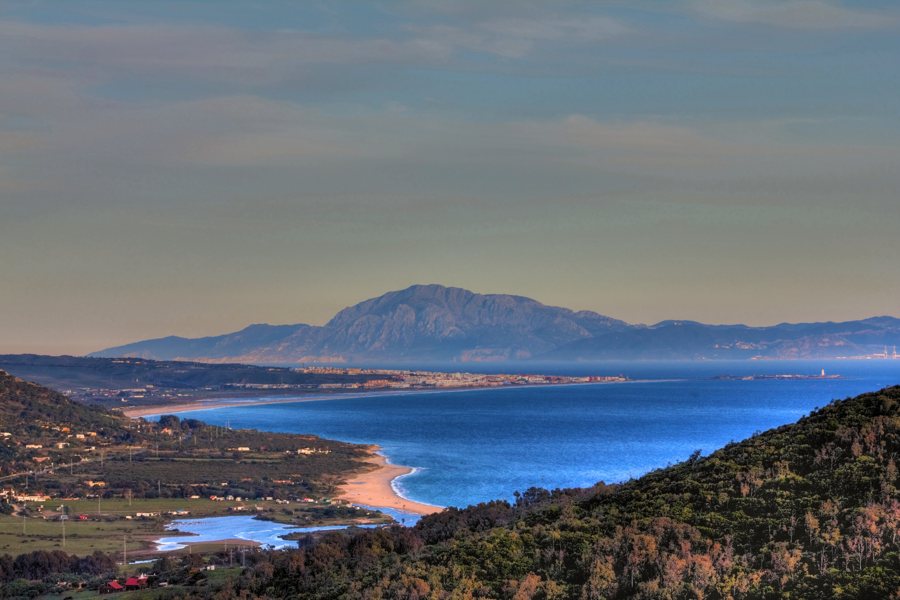 Blick von Tarifa auf Jebel Musa. Foto: jose rambaud / Wikimedia Commons, CC BY 2.0
Photo: jose rambaud
Tarifa suits travellers who want to combine the sea and outdoor activities with a lively small town. Kiteboarders and windsurfers will find schools, equipment rental and a thriving scene. Even if you don't take to the water, the wide beaches offer sunsets, dunes and views of the African coast. Families should choose their accommodation and beach location carefully: the wind can be strong, and some stretches are less sheltered for young children.
If you're looking for a classic seaside resort with sheltered water, plenty of hotels and everything close at hand, the Costa de la Luz or the Bay of Cádiz offer a different kind of holiday. In Tarifa, the weather, the season and your plans for the day have a greater influence on your stay.
Los Lances is close to town and known for long walks, sunsets and watersports. Farther east, Valdevaqueros feels more open and scenic, with dunes, sand and wind shaping the experience. Bolonia Beach combines nature with the Roman ruins of Baelo Claudia and makes a great destination in its own right. Before swimming, check local advice, waves and currents, and choose a more sheltered stretch when the wind is strong.
The official Tarifa tourism website describes the region's beaches and watersports. Beginners should choose a school that provides a safety briefing. Even in summer, bring a light jacket: the wind by the water often feels much cooler than in the sheltered town centre.
The old town is easy to combine with a day at the beach. White houses, narrow lanes, small squares and numerous cafés give the town its own rhythm. Plan your walk for late afternoon, when temperatures are more comfortable. Puerta de Jerez is an easy-to-spot entrance; from there, shops, restaurants and viewpoints are all within walking distance.
The harbour is important mainly for its ferry connections and proximity to the Strait of Gibraltar. To make the most of your stay, don't treat the old town simply as a passageway to the beach. If you'd like to compare historic city sights and Atlantic atmosphere, you can combine your visit with Cádiz.
A day trip to Gibraltar is possible, depending on border and traffic conditions. Check entry requirements in advance and allow plenty of time for the border crossing. Algeciras lies on the bay and makes a useful stop if you want to combine the harbour, nature and the wider coastline.
Inland, varied routes lead to the white villages. Arcos de la Frontera is ideal for exploring an old town and enjoying the views, while the Sierra de Grazalema offers opportunities for nature outings and hikes. Jerez de la Frontera adds an old town, equestrian culture and sherry traditions to a beach holiday. For more coastal comparisons, see Rota and our overview of the province of Cádiz.
Tarifa can be reached by car from Cádiz, Málaga or Algeciras. Málaga Airport is farther away; Jerez Airport can be convenient for a trip along the Atlantic coast. Buses connect Tarifa with Algeciras and other towns, but a hire car gives you more flexibility for reaching remote beaches and taking excursions.
Spring and autumn bring pleasant temperatures and good conditions for walks and excursions. Summer is lively and warm, but windy days are not necessarily ideal for a relaxing swim. Tarifa is still worth visiting in winter for nature, the old town and watersports, though you'll need to plan for changeable weather and shorter days. Check your accommodation, parking options and the latest wind forecast before setting off.
Yes, if you enjoy long beaches and unspoilt coastline. For calm days swimming, choose your travel dates and beach carefully, and keep an eye on the weather.
Spring and autumn are good all-round choices. Summer is ideal for the beach and watersports, but it can be very windy and busy.
Yes, if you're sticking to the old town, nearby beaches and a few bus routes. A car is more convenient for visiting Bolonia, remote stretches of coast and the inland area.
Yes, especially if you choose well-located accommodation and plan for sheltered activities. Bear in mind the wind, waves and paths through the dunes.
Two to three days is enough for the old town and a beach. Allow more time if you also want to visit Bolonia, Gibraltar or the white villages.
Pack water, sun protection, sturdy shoes for the dunes and old town, and a light windproof jacket. For watersports, you'll also need suitable equipment and a safety briefing.
