
Montes de Málaga: Forest, Views and a Day Out
The Montes de Málaga are an easy nature escape just above the city. Between Málaga, the northern suburbs and the inland area, pine forests, dry hillsides, small valleys and viewpoints alternate across the landscape. The natural park is especially well suited to a half-day or full-day outing if you want your Costa del Sol trip to include some peace and quiet, fresh mountain air and short walks, alongside beaches, the old town and museums.
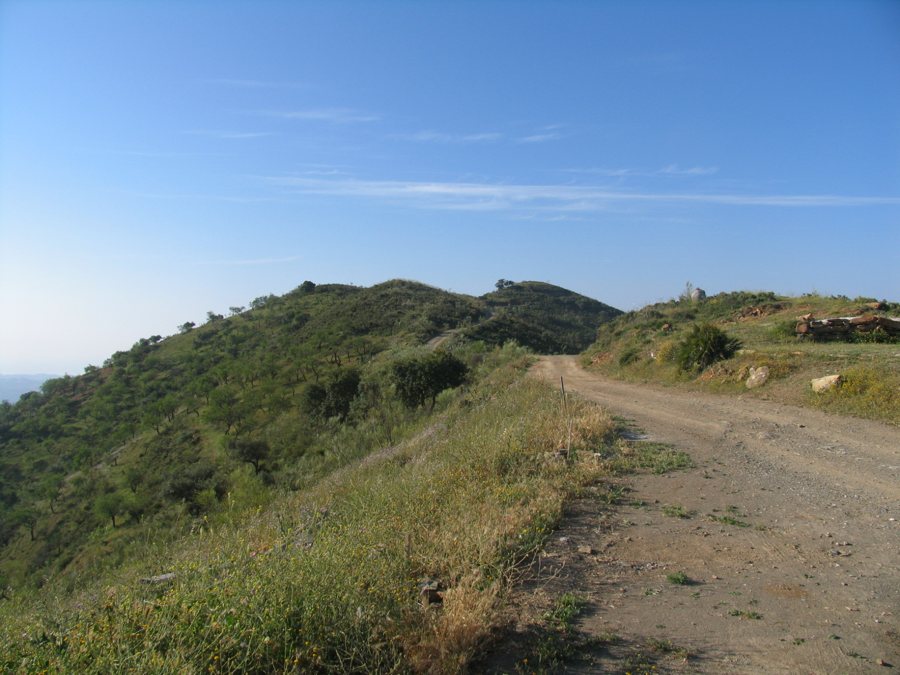 Montes de Málaga von der Ermita de los Verdiales. Foto: Juan Pablo Olmo / Wikimedia Commons, CC BY 2.0.
Photo: Juan Pablo Olmo
Montes de Málaga von der Ermita de los Verdiales. Foto: Juan Pablo Olmo / Wikimedia Commons, CC BY 2.0.
Photo: Juan Pablo Olmo
Montes de Málaga at a glance
- The natural park lies just north of Málaga.
- Pine forests, hillsides, streams and viewpoints shape the landscape.
- The drive follows winding mountain roads, so travelling by car is easiest.
- Temperatures can differ considerably from the coast in shaded areas and at higher elevations.
- The Sendero Torrijos combines nature, a watercourse and the history of winegrowing.
- On a clear day, the Mirador del Cochino offers wide-ranging views over Málaga.
- Sturdy shoes, water and checking the weather and road access are essentials.
Where are the Montes de Málaga?
The Montes de Málaga begin north of the city and extend towards Colmenar and Casabermeja. This makes the natural park relatively quick to reach from many coastal holiday destinations. If you are staying in Málaga, you can combine the outing with a visit to the city. A day in nature can also be planned from Torremolinos or Fuengirola, though you should allow realistically for the extra driving time.
Being close to the city is an advantage, but it does not mean that journeys within the park are short. Mountain roads, viewpoints and walking trail car parks are not always close to one another. It is best to choose one main destination in advance and plan just one additional stop.
Walking between forest and viewpoints
The Montes de Málaga offer both short walks and longer trails through forests and across hillsides. The Sendero Torrijos is a good choice if you want to combine nature with local history. At the Lagar de Torrijos, the buildings and the history of winegrowing are reminders of how extensively the landscape was once used. If you are looking for just a short break from the beach, you can stick to a short circular walk and a viewpoint.
After rain, unpaved paths can be slippery, while summer heat makes exposed sections strenuous. In summer, set off as early as possible and take plenty of water. The general advice on hiking in Andalusia can help with choosing footwear, sun protection and planning your time. Stick to permitted trails and allow enough time for the return journey.
Viewpoints and nature experiences
The Mirador del Cochino is one of the best-known viewpoints. On a clear day, you may be able to see across Málaga, the coast and the surrounding mountains; haze or wind can significantly limit the view. Binoculars are useful if you want to watch birds of prey. Keeping quiet and giving wildlife space will increase your chances of enjoying the animals and scenery without disturbing them.
The forests offer welcome shade on warm days. On the drier hillsides, the landscape feels more open and Mediterranean. If you are photographing flowers, birds or reptiles, stay on the paths and do not try to attract the animals. The natural park is not a substitute for a long high-mountain trek, but it is an easily accessible change of scenery with plenty of brief moments in nature.
Wine, lagares and villages
The Montes de Málaga are also linked to the region’s past as a wine-growing area. Old lagares, roadside ventas and the cuisine of the inland area add a culinary dimension to the outing. If you would like to explore this aspect further, you can combine your visit with information about Andalusian wine. If you are planning lunch at a venta, check opening hours and the return drive along the mountain road beforehand.
Colmenar and Casabermeja make good additional destinations if you want to turn a short outing into a full day. The key is not to cram in too many stops. A walk, a viewpoint and a meal usually make for a more enjoyable day than a long list of car parks.
Getting there, weather and park rules
Travelling by car is easiest to plan, as many trailheads are not directly served by regular buses. The advice on getting around Andalusia can help you plan the drive from Málaga and the coast. Visitors should pay particular attention to changing weather, visibility, heat and possible closures.
Before setting off, check the latest information on trails, parking and facilities. The official visitor information from the Junta de Andalucía brings together guidance on the natural park. Take all your rubbish back with you; avoid fires, loud music and feeding the animals.
Combining the Montes de Málaga with the coast
The natural park offers a welcome contrast to the Costa del Sol and the Andalusian beach region. For more days in nature, consider the natural and national parks of Andalusia or the Sierra de las Nieves. These destinations are farther away, however, and should not be squeezed in as a spontaneous extra stop on a short trip to the Montes de Málaga.
FAQ about the Montes de Málaga
Are the Montes de Málaga worth visiting if you do not want to go on a long hike?
Yes. The drive into the mountains, a short walk and a viewpoint are enough to offer a striking contrast with the city and coast.
How much time should you allow?
A few hours is enough for a viewpoint and a short walk. If you are visiting the Lagar de Torrijos, going on a longer hike or having a meal in the inland area, it is worth setting aside a full day.
Can you get there by public transport?
Travelling by car is usually easier to plan because the trails and viewpoints are spread far apart. Check connections and return times in advance.
What is the best time of day to visit?
The light and temperatures are often more pleasant in the morning and late afternoon. Weather conditions also play an important role in visibility.
What equipment is useful?
Sturdy shoes, water, sun protection and a light extra layer are enough for many short walks. For longer hikes, an offline map and a charged phone are useful.
Is the natural park suitable for families?
Yes, as long as the distance and duration suit the children’s fitness levels. Short walks with breaks and an accessible viewpoint are usually a better choice than a long hike in the midday heat.

