
Málaga: Old Town, Alcazaba and a Costa del Sol Holiday
Málaga brings together a historic old town, museums, a harbor, a city beach and the relaxed pace of the Costa del Sol. The capital of the Andalusian province of the same name is ideal for a cultural break, as a base for excursions, or as part of a trip combining city and sea. This guide shows you how to make the most of the main neighborhoods and sights.
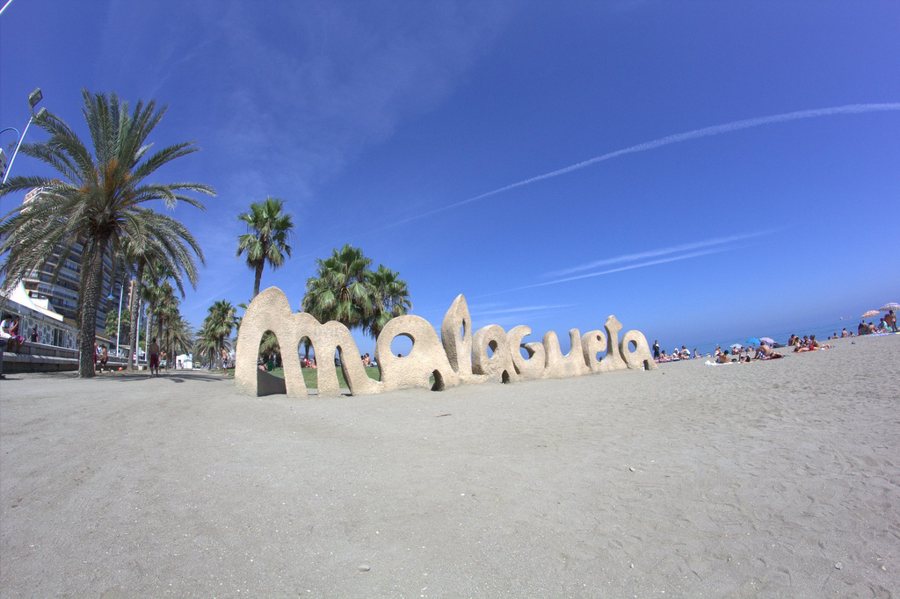
Málaga at a glance
- Málaga is on the Mediterranean coast and is an important gateway to the Costa del Sol.
- The historic old town pairs easily with the Alcazaba, the Roman Theatre and the Cathedral.
- Gibralfaro sits above the city and offers sweeping views over the harbor, rooftops and coastline.
- Playa de la Malagueta is close to the city center and adds a quick swim to a cultural stay.
- The harbor, Muelle Uno and the old town offer restaurants, cafés and walking routes within easy reach.
- Popular excursions include Ronda, Antequera, Nerja and towns along the Costa del Sol.
Old Town, Alcazaba and Gibralfaro
A good walking tour begins in the old town around Calle Marqués de Larios. From there, it’s a short walk to the Cathedral, the Roman Theatre and the Alcazaba. This Moorish fortress complex is built into the hillside of Gibralfaro, with courtyards, walls and viewpoints. Continue uphill—or take the bus—to reach Gibralfaro Castle, which offers particularly far-reaching views across the city and out to sea.
When planning your visit, leave enough time rather than packing the schedule too tightly. The uphill paths, possible queues and hot midday sun make an early start a good idea. The official Spain travel guide provides information about Málaga, its sights and current travel advice. Check admission requirements and opening hours directly before your visit, especially on public holidays.
Museums and city life
Málaga is more than a beach stopover. The Picasso Museum, the Centre Pompidou by the harbor and other museums make the city appealing even when the weather is changeable. Between visits, take a break in the old town’s shady squares, small courtyards and cafés. If you want to combine art and history, it’s better to visit a few museums at a relaxed pace than to cram in too much.
The Harbor, Malagueta and Dining
From the city center, head to the modern harbor area of Muelle Uno, where shops, restaurants and an open-air promenade line the waterfront. Playa de la Malagueta is just to the east. This city beach is handy for a quick break, but it’s no substitute for a quiet beach day outside the center. For a longer stay on the coast, Fuengirola, Torremolinos and Nerja are also worth comparing.
Dining options range from classic tapas to fish and seafood. There are plenty of places in the old town and by the harbor; if you prefer a quieter atmosphere, go outside peak hours. An evening stroll through the illuminated lanes or along the harbor is a lovely way to end a day in the city.
Málaga as a base for excursions
The city makes a good base for a variety of day trips. Routes lead west to coastal towns, and north or inland to scenic landscapes and historic cities. Marbella adds an old town and beaches to a Málaga trip, while Ronda offers a striking contrast with its gorge and mountain scenery. Antequera combines a historic town with the natural landscape of El Torcal.
For more coastal getaways, use the Province of Málaga as a starting point. If you want to visit several cities, compare Málaga with Granada and Seville, or consult the guide to city-hopping in Andalusia. This will help you decide whether Málaga should be your main base, the start of your trip or a relaxed final stop.
Accommodation, getting there and planning your days
Staying in the old town is convenient for museums, the Cathedral and dinner. If you want to reach the beach quickly in the morning, look east of the city center. The harbor and downtown have plenty of amenities within easy reach, but can be lively. For a relaxed itinerary, set aside one day for the old town and Alcazaba, another for museums, the harbor and the beach, and a separate day for an excursion. Málaga is easy to reach without a rental car, thanks to its airport and train station. Families and visitors planning a longer stay may find it useful to read about family holidays in Andalusia before choosing accommodation.
Málaga FAQ
How many days should you plan for Málaga?
Two full days are enough to see the main sights. Three or four days leave extra time for museums, the beach and an excursion.
Is Málaga better for a city break or a beach holiday?
You can do both. The city is especially suited to combining culture, food, the harbor and short beach breaks. For a beach holiday on its own, quieter coastal towns are often a better fit.
Can you explore the old town on foot?
Yes. The Cathedral, Roman Theatre, Alcazaba, shopping streets and harbor are relatively close to one another. For Gibralfaro, allow time for the climb or a bus ride.
Which excursions are good from Málaga?
Ronda, Antequera, Nerja and the western coastal towns all make good day trips, depending on your interests. Check journey times and opening hours in advance.
When should you check admission details and opening hours?
Before every visit, especially to museums and fortresses, and around public holidays. Seasonal schedules, timed-entry slots and local events can affect your plans for the day.
Where should you stay in Málaga?
The old town is convenient for culture and dining, while the harbor is well placed for promenades and getting around the center. The best beach access is east of the city center, while quieter locations may mean a longer journey.

