
Níjar: Plan a Visit to the Whitewashed Village, Its Crafts, and Cabo de Gata
Níjar brings together a whitewashed mountain village, traditional crafts, history, and the vast natural landscape of Cabo de Gata-Níjar. The town lies inland in the province of Almería, so it is not a typical beach destination. When visiting Níjar, plan the town center, the coast, and historical sites as separate parts of your trip. That leaves time to explore narrow streets, ceramics, viewpoints, and the dry countryside at a relaxed pace.
Níjar at a glance
- Níjar is inland in the province of Almería, not directly on the coast.
- White houses, hillside streets, narrow lanes, and traditional workshops shape the town center.
- Ceramics, woven goods, and jarapas rugs are among its best-known craft traditions.
- Cabo de Gata-Níjar Natural Park brings together volcanic scenery, coves, beaches, and coastal trails.
- Historical sights range from the Atalaya and Santa María Church to mining sites and coastal fortifications.
- In summer, early starts, water, sun protection, and breaks in the shade are especially important.
Old Town, Atalaya, and traditional crafts
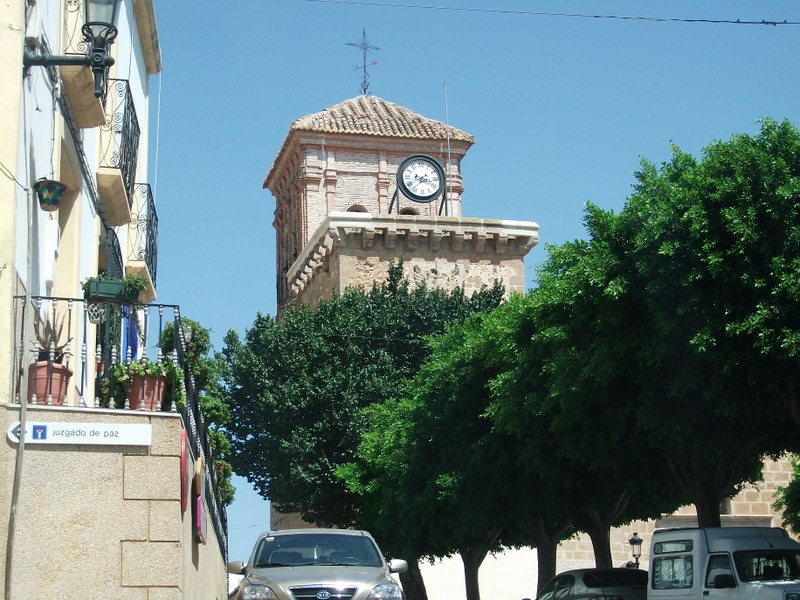
It is best to begin a walk around Níjar in the town center. The white façades, steep lanes, and small squares are especially atmospheric in the morning or late afternoon. The Church of Santa María de la Anunciación has a fortified tower and is one of the town’s most distinctive historic buildings. Above the houses, the Atalaya is a reminder of the town’s former fortifications; the higher paths offer views across the surrounding countryside.
Níjar is also known for ceramics, woven crafts, and jarapas rugs. In workshops and shops, take a closer look at how items are made and where they come from. If you would like to combine a visit to the town with other cultural destinations, you can include Almería, Guadix or Antequera in your tour. Each offers a different focus on historic centers, landscapes, and history.
Cabo de Gata-Níjar: enjoy the coast responsibly
The municipality of Níjar extends to the Mediterranean coast and encompasses a wide variety of landscapes. Around San José, Los Escullos, La Isleta del Moro, and the natural park’s coves, volcanic cliffs, beaches, and arid hills alternate. Níjar itself, however, lies inland, so allow extra time to drive to the coast for a day out.
Choose a specific beach, viewpoint, or short coastal trail in advance. Access roads, parking, and conservation rules may vary by area and season. The guide to nature parks and national parks in Andalusia provides helpful context, while the advice on beach holidays in Andalusia can help with practical day planning. In sensitive areas, stay on marked paths and respect closures.
Rodalquilar, mines, and historic sites
Rodalquilar reveals another side of the municipality: the former mining village recalls a long history of alunite mining and, later, gold mining. The gold mines finally closed in the 20th century; today, ruins, paths, and the arid landscape define the area. There are further historic sites along the coast and inland, including Torre de los Alumbres, Castillo de San Felipe, and the waterwheel at Pozo de los Frailes.
The official overview of Níjar’s cultural heritage lists numerous buildings, waterworks, and former mining sites. When walking in the natural landscape, choose a route suited to your fitness and the weather. You can prepare a route with several viewpoints using the tips for walking holidays in Andalusia; sturdy shoes and plenty of water are essential, even for short walks.
When to visit, heat, and trails
Spring and autumn are often good times for walks around the town and excursions, as longer walks are more comfortable then. In summer, it is best to set off early. Schedule outdoor sightseeing for the cooler hours and plan a longer break around midday. Light clothing, a hat, sun protection, and water are more important on routes with little shade than a packed itinerary.
Distances between the village, the coast, and natural attractions are easy to underestimate. Before setting off, check the exact route, road conditions, and any restrictions. The guide to transport and getting around Andalusia can help with route planning. If you plan to hike, also consider your return route, mobile reception, and emergency options.
Getting there and nearby excursions
A car is usually the simplest option for visiting Níjar and its scattered coastal and natural attractions. If you are arriving via the airport, arrange your transfer to your accommodation and your return journey well in advance; the guide to airports in Andalusia makes it easier to compare options. Bus services can take you to the town center, but for visiting several places, it is especially important to check current timetables and connections.
You could also visit Adra or Roquetas de Mar if your route takes in other coastal towns. It is better to plan a few destinations with enough time to enjoy them than to string together too many stops. Níjar is at its best when you take time to experience the village, its crafts, the mountains, and the coast rather than simply ticking them off a list.
Níjar FAQ
Is Níjar a beach destination?
No. Níjar is inland. The beaches and coves of Cabo de Gata-Níjar Natural Park are excursions from the town, and you will need to drive farther depending on your destination.
What is Níjar best known for?
The town is known for its white houses, ceramics, jarapas rugs, and setting between the mountains and the natural park. Other highlights include the Atalaya, Santa María Church, and numerous historic sites across the municipality.
How much time should I allow for Níjar?
A few hours is enough to explore the town center at a relaxed pace. If you want to visit craft workshops, a natural attraction, or the coast, allow a full day; plan more time if you want to see several places.
When is the best time to visit?
Spring and autumn are generally pleasant for walks. In summer, set off early, avoid the hottest hours, and plan excursions with breaks in the shade and plenty of water.
Can you visit Níjar without a car?
You can reach the town center by public transport, but a car is usually more convenient for visiting coastal towns, mining sites, and nature trails. Check timetables and return journeys in advance.
Which places can be combined with a visit to Níjar?
Almería, the coastal towns in the municipality, and Adra and Roquetas de Mar can all fit well into a trip, depending on your route. Guadix or Antequera can also be added for their cultural and historical interest.
