
San Fernando: Bay of Cádiz, nature, and historic trails
San Fernando, also known as La Isla, lies in the Bay of Cádiz between the provincial capital and the beaches of the Atlantic coast. The city brings together salt pans, marshland, beaches, and an unusually rich military and constitutional history. For a day trip, the routes through the center and along the bay are enough; with more time, you can easily combine nature, swimming, and regional culture. A visit to Cádiz makes a good addition.
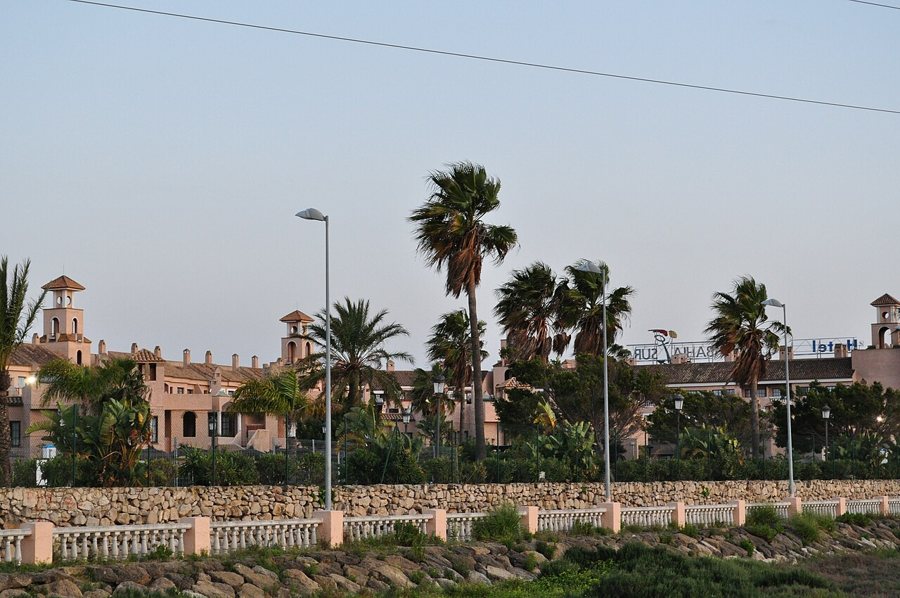 Bahía Sur bei San Fernando. Foto: Ubub / Wikimedia Commons, CC BY 3.0. Lizenz: https://creativecommons.org/licenses/by/3.0/ Quelle: https://commons.wikimedia.org/wiki/File:Bahia_sur_SanFernando.JPG
Photo: Ubub
Bahía Sur bei San Fernando. Foto: Ubub / Wikimedia Commons, CC BY 3.0. Lizenz: https://creativecommons.org/licenses/by/3.0/ Quelle: https://commons.wikimedia.org/wiki/File:Bahia_sur_SanFernando.JPG
Photo: Ubub
Planning essentials
- San Fernando is located on the Isla de León in the Bay of Cádiz.
- Salt pans, tides, and marshland shape the landscape around the city.
- Historical highlights include the Cortes of 1810 and the Spanish Armada.
- Camposoto and Punta del Boquerón combine beaches with nature.
- Cádiz, Chiclana, and El Puerto de Santa María can be combined as excursion destinations.
- In the warmer months, early mornings and late afternoons are more pleasant for walks.
Nature in the Bay of Cádiz
The flat coastal landscape is shaped by the changing interplay of water, salt pans, tidal creeks, and open expanses. The paths and shorelines look quite different depending on the tide, so sturdy footwear and checking the weather and access points are sensible preparations. If you want to watch birds or enjoy the landscape in peace, stick to marked paths and avoid sensitive areas.
The nature parks and national parks in Andalusia are useful for comparing other protected areas. In San Fernando itself, the paths along the bay and the route towards the Atlantic coast are of particular interest.
Beaches and waterfront paths
Camposoto is the city’s best-known beach and is part of the natural area of the Bay of Cádiz. At its more unspoiled end, a path leads towards Punta del Boquerón, where dunes, sea, and views of the historic Castillo de Sancti Petri come together. The length and condition of individual stretches of beach change with the tides, so families and walkers should check the current conditions before setting out.
Playa de la Casería is closer to the city and has a different character: views of the bay, boats along the shore, and places to eat make it better suited to a short outing than a full day at the beach. The official San Fernando tourism portal publishes current information about beaches, paths, and visitor access. For more Atlantic beaches, compare it with Chiclana de la Frontera and Sanlúcar de Barrameda.
Historic sites in the center
As Isla de León, San Fernando played an important role in Spanish history. The Teatro de las Cortes recalls the political deliberations of 1810; churches, squares, and the city’s street layout reveal its development as a trading and military center. Castillo de San Romualdo adds an older landmark with regional significance to the historic route.
The city’s connection to the Armada is also part of its identity. If you are interested in maritime history, plan indoor visits and guided tours separately from a simple walk around the city, as access and opening times can change. The wider cultural route can be combined with Jerez de la Frontera or the historic port of El Puerto de Santa María.
Flamenco and local character
San Fernando is closely associated with Camarón de la Isla. A route exploring the places of his childhood and the local flamenco tradition offers a cultural focus distinct from the classic monuments. It pairs well with a relaxed meal at a restaurant by the bay and a stroll through the older streets.
If you want to broaden your stay with a different theme, Tarifa offers a windswept Atlantic coast, while Cádiz has a larger historic old town. San Fernando can therefore be planned as a peaceful stopover without limiting your trip to a single theme.
Getting there and nearby excursions
San Fernando works well for a day trip or an overnight stop between Cádiz and the Costa de la Luz. Train and bus are convenient for getting around the center; a car makes it easier to combine the beach, nature trails, and nearby towns. An overview of transport in Andalusia and the main airports in Andalusia helps when planning a road trip.
For a compact day out, visit the center, walk a section of the bay, and finish with a late meal. With more time, add Camposoto or Punta del Boquerón and choose another coastal town for a second stop. Always check the weather, tides, and current access shortly before visiting nature trails.
San Fernando FAQ
Is San Fernando worth visiting as an alternative to Cádiz?
Yes, if you prefer a quieter city, nature along the bay, and a focus on history to the lively old-town atmosphere of Cádiz. The two places are easy to visit together.
What kind of landscape defines San Fernando?
Salt pans, marshland, tidal creeks, and low-lying shores shape the Bay of Cádiz. There are also dunes and stretches of Atlantic coastline around Camposoto and Punta del Boquerón.
Which beaches are in San Fernando?
Camposoto is the main Atlantic beach, while Playa de la Casería is closer to the bay and the city. Conditions along the shore can change with the tides.
What are the main historical highlights?
The Cortes of 1810, Teatro de las Cortes, Castillo de San Romualdo, and the city’s longstanding connection to the Armada are among the key themes of a walking tour.
How much time should I plan for?
One day is enough for the center and a short walk along the bay. Two days allow for a more relaxed visit that includes the beach, Punta del Boquerón, and additional excursions.
When is the best time to visit?
Spring and fall are often pleasant for city walks and nature trails. In summer, early morning and late afternoon are usually more comfortable than the hot midday hours.
