
Huelva province
Hotels in Huelva province, travel accomodations in Huelva.Vacation property in Huelva province online
Huelva is a good fit for travelers who want to experience the less densely developed side of the Costa de la Luz and combine a city break with nature and Atlantic beaches. The provincial capital lies between the Odiel and Río Tinto rivers. It is not a traditional beach resort, but it makes a practical base for trips to the Odiel marshes, the Columbus sites near La Rábida, and the province of Huelva.
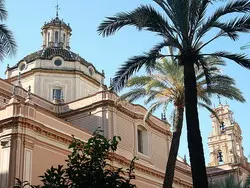 Helle Kirchenfassade mit Palmen in Huelva
For a day in the city, Plaza de las Monjas, the shopping streets, and La Merced Church are all close to one another. The historic center is easy to explore on foot; if you stay in the city, consider the location in relation to the center, the train station, and your preferred route out to the coast. The harbor shapes Huelva’s economy and landscape, but it is not a continuous holiday waterfront with a promenade like those in Málaga or Cádiz.
For a closer look at Andalusia’s maritime side, it is also worth comparing the ports of Andalusia: ferry terminals, cruise ports, and marinas differ considerably in location and suitability depending on your itinerary.
The marshes along the Odiel are especially appealing to visitors looking for birds, waterways, and quiet paths. Protected areas are subject to conservation rules; check the official Andalusia tourism portal before your visit for the latest information on access and guided tours. For a cultural outing, La Rábida and Palos de la Frontera complement the city with sites that recall Columbus’s voyages across the Atlantic.
If you want to plan more time in nature, the overview of Andalusia’s national parks offers useful information about the Doñana area. Not all areas are freely accessible, so checking the visitor regulations in advance can help you avoid unnecessary detours.
Huelva city is generally less suitable for a beach-only holiday than the coastal towns in the province. Ayamonte combines an old town, the Guadiana River, and proximity to Portugal; the western coast is especially convenient for trips to the Algarve. Moguer and the area around Mazagón are a better fit if you want to combine historic sites with beach days. For a trip with plenty of time by the sea, the guide to beach holidays in Andalusia is also useful.
Spring and autumn are especially good for city walks, nature watching, and day trips. In summer, shade, air conditioning at your accommodation, and short walks to a car or bus are particularly welcome. Depending on your route, you will often arrive via one of the airports in Andalusia; for Huelva, the onward journey and whether you need a rental car matter more than the flight time alone.
Yes, if you want to combine city life with nature along the Odiel, the Columbus sites, and trips to the Costa de la Luz. Coastal towns are generally a better choice for a beach-only trip.
One or two days are enough for the city, La Rábida, and a trip to the surrounding area. Add Doñana, Atlantic beaches, or Portugal, and it can easily become a longer road trip.
The city center is easy to explore on foot and by public transport. A rental car is considerably more convenient for nature areas, smaller coastal towns, and flexible day trips.
