
Ubeda
Hotels in Ubeda, vacation rentals in Ubeda: prices and descriptions
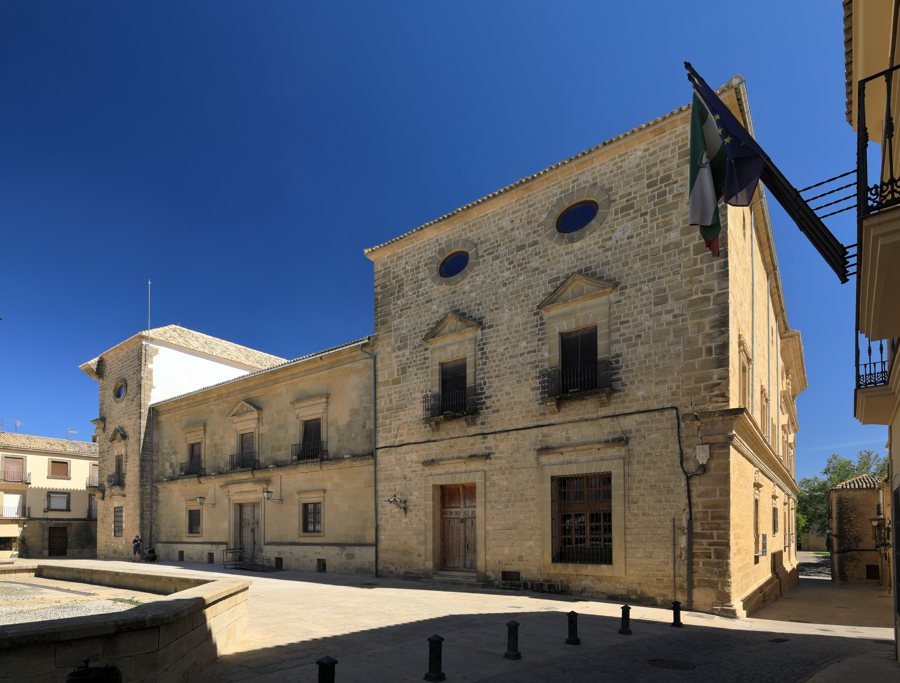 Foto: Falk2 / Wikimedia Commons, CC BY-SA 4.0 – https://commons.wikimedia.org/wiki/File:L06_023_%C3%9Abeda,_Palacio_Vázquez_de_Molina.jpg – https://creativecommons.org/licenses/by-sa/4.0/
Photo: Falk2
Úbeda is a destination for travellers who want to discover history not just in individual monuments, but in a cohesive cityscape. Palaces, churches and public buildings line squares and streets that bring the wealth of the Renaissance vividly to life. The pale stone looks different at various times of day: in the morning, façades and ornamentation stand out clearly; by late afternoon, softer colours and long shadows emerge.
A stroll through the historic centre is enough to get a first impression. Take your time and you’ll notice not only the best-known buildings, but also portals, coats of arms, courtyards and sightlines. Úbeda makes a good day trip, but staying overnight gives it a special atmosphere. An early-morning walk or a stroll after the busiest visiting hours offers a quieter experience of the squares. The Jaén province guide provides context for exploring other destinations in olive country.
One of the main areas to explore is around Plaza Vázquez de Molina, where the city’s grandest features are concentrated. The Palacio Vázquez de Molina, also known as the Palacio de las Cadenas, dominates the square with its stone façade. Nearby are other historic buildings, including the church of Santa María de los Reales Alcázares and the Sacra Capilla del Salvador. Access and visiting hours may vary depending on the season and events.
It’s also worth looking beyond the best-known square to appreciate the layout of the city. Plaza de Andalucía is a useful landmark for finding your way, taking a break or looking for somewhere to eat. The Hospital de Santiago reveals another side of the Renaissance, combining architecture with the history of public institutions. If you want to visit interiors, avoid trying to fit too many stops into a short time, and check the latest information on the official Úbeda tourism website.
Úbeda and Baeza are seen as a shared Renaissance ensemble. Comparing the two cities is especially rewarding, as similar historical themes appear in different urban settings. While Úbeda impresses with its large squares and grand palaces, Baeza often feels more compact and academic in character. Visiting both lets you compare their architecture, street layouts and atmosphere firsthand.
Allowing a full day for each city makes for a comfortable visit. If time is short, you can visit Úbeda in the morning and Baeza in the afternoon, but there will be less time for interiors and breaks. So decide what you most want to see: façades, churches and palaces, or a more in-depth cultural itinerary? The Baeza guide offers more ideas for planning. For a wider tour of the province, Jaén offers further inspiration, from its cathedral and castle to its olive landscapes.
Úbeda’s appeal goes beyond its architectural heritage. In workshops, shops and exhibitions, visitors can discover ceramics, wood and stonework, and decorative metalwork. A handmade piece can make a personal souvenir, but choose one based on its origin, materials and care instructions. Ask directly whether a business offers tours or has regular opening hours.
The olive groves around Úbeda shape the landscape, cuisine and regional economy. A tasting helps make the differences between olive varieties and harvest times easier to understand. Opening hours and booking arrangements at farm shops and mills can vary by season and from place to place. For a wider cultural trip, add Guadix with its cave district, or Baena and its olive oil heritage.
Úbeda suits a trip that combines historic cities with rural landscapes. It makes a worthwhile detour from larger cultural destinations, provided you leave enough time for the journey and a walking tour. If you want to combine several stops, you could visit Úbeda with Córdoba or Granada. Both cities offer a different focus and shouldn’t be seen as substitutes for Úbeda’s quieter Renaissance atmosphere.
An itinerary with several stops is easier to manage if you choose just a few main destinations each day. The guide to city breaks in Andalusia can help you compare driving distances and length of stay. Information about language and regional diversity provides additional context for meeting people along the way. Families can also use the tips for a family holiday in Andalusia to plan for breaks, short walks and different interests.
Comfortable shoes, water and a little extra time are simple essentials, as historic streets may be cobbled and some routes uphill. In the summer heat, early or late walks are more pleasant. If you’re driving, decide in advance where to park and how to get to the old town. Staying in the centre shortens your walks; accommodation outside the centre may offer more peace and quiet and make it easier to continue your journey.
Allow plenty of time for visits inside buildings, guided tours and an olive oil tasting. Not every attraction is open at all times, and events can affect access to streets or squares. Úbeda rewards a slower pace: its grand façades, small details, crafts and landscape come together to give a complete picture of the city.
Úbeda is best known for its Renaissance architecture, historic squares, churches, palaces, handicrafts and the olive landscapes of Jaén province.
Yes. Together with Baeza, Úbeda is part of the UNESCO World Heritage Site of Renaissance Monumental Ensembles. The two towns are considered a shared ensemble.
Half a day is enough for a first walking tour. A full day is more comfortable if you want to visit interiors, take breaks, explore local crafts and enjoy a tasting.
Yes, if you limit your itinerary to a few highlights. Visiting on separate days leaves more time for interiors, walking and spontaneous discoveries.
Spring and autumn usually offer pleasant conditions. In summer, early mornings or late afternoons are often more comfortable because of the heat.
Opening hours, guided tours, parking, transport connections, and dates and booking requirements for craft and olive oil experiences.
