
Province of Seville: Capital, Cultural Landscapes and Day Trips
The province of Seville brings together its monumental capital, the Guadalquivir, Roman history, whitewashed towns and the wide-open landscapes of the Campiña. For visitors who want to explore more than the city’s major attractions, the surrounding area offers short trips, historic towns and nature destinations for a varied journey.
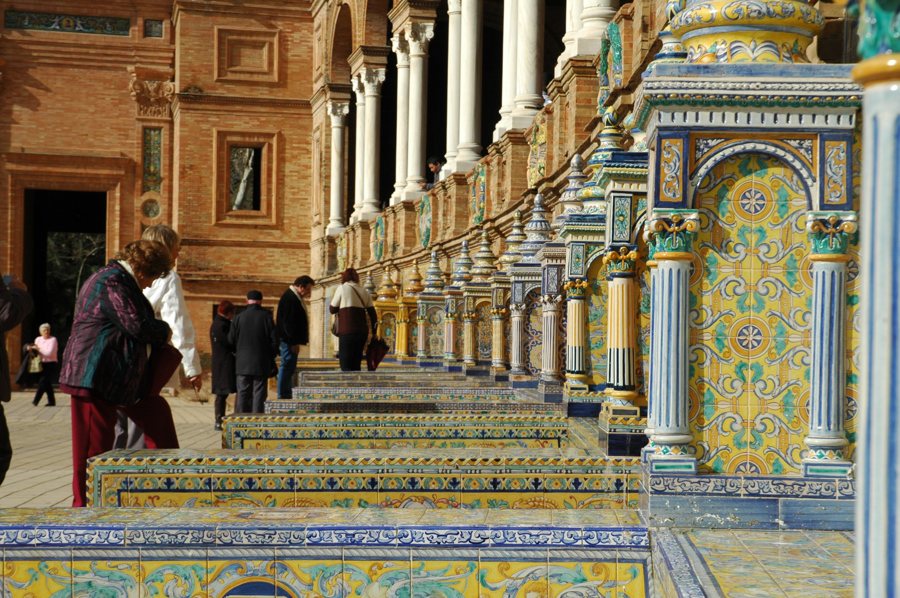 Plaza de España in Sevilla
Photo: Stefano Vigorelli / Wikimedia Commons
Plaza de España in Sevilla
Photo: Stefano Vigorelli / Wikimedia Commons
Travel planning at a glance
- The city of Seville is the province’s main cultural, rail and air travel hub.
- Allow several days for the Alcázar, cathedral, Giralda, Santa Cruz and Plaza de España.
- Itálica, near Santiponce, makes a good half-day trip for anyone interested in Roman history.
- Carmona, Utrera and Écija offer a glimpse of historic towns beyond the capital.
- Spring and autumn are generally more comfortable for walking tours than the hottest summer months.
- Check current opening hours, ticket availability, event dates and transport connections.
Seville as a cultural centre
The capital brings together many of Andalusia’s best-known attractions. The Seville city guide can help you plan the order of your main stops: the Real Alcázar, the cathedral and Giralda, the Archivo de Indias and the squares of the old town are all relatively close to one another. Across the Guadalquivir, Triana adds ceramics, tapas and river views to a historic walking tour.
Set aside a separate block of time for Plaza de España and María Luisa Park. The area is expansive, and early morning or late afternoon is more pleasant in hot weather. If you plan to visit several museums, courtyards or events, allow three full days rather than making a brief stopover.
The Guadalquivir, history and the cityscape
The Guadalquivir shapes the province, from its floodplains and port facilities to its fertile lowlands. Its location made Seville an important trading centre for centuries. Today, you can explore the different sides of the city on riverside walks, across the Puente de Triana or along the historic promenades.
Itálica and trips around the capitalFor a second outing, consider
Carmona with its elevated old town and Puerta de Sevilla, or the historic town of Utrera. If you’re planning a longer road trip, you can also include Écija, known for its distinctive towers and palaces. The relevant listing is currently available through the Écija guide.
Carmona, Utrera and the CampiñaFor a longer tour of Andalusia,
Cádiz and Córdoba are also within reach. The choice between train, bus and rental car depends on your starting point, the time of year and which places in the surrounding area you plan to visit.
Sierra Norte and choosing practical routesFor your journey, see the overview of
airports in Andalusia and the information on transport in Andalusia. Accommodation in Seville is a practical choice if you’re using the capital as a base for several outings. For more information on the landscape and up-to-date ideas for places to visit, see the official Andalusia tourism website.
Frequently asked questions about the province of SevilleThree full days are a good starting point for the main attractions. A longer stay is worthwhile if you’re visiting Itálica or another town in the surrounding area.
Do you need a car in the capital?
Usually not in the old town. Many destinations are easy to reach on foot or by bus, tram and metro. A car can save time for more remote towns and nature spots.
When is the best time to visit?
Spring and autumn often bring pleasant temperatures and good conditions for exploring the city and taking day trips. In summer, start walks early and build in breaks.
What’s a good trip for history enthusiasts?
Itálica is the obvious choice. Carmona adds a lively historic old town to its Roman heritage and can easily be combined with other destinations.
Which places are good for a day trip?
Carmona, Utrera, Alcalá de Guadaíra and Écija each offer a different experience. Your choice will depend on travel time, opening hours and your personal interests.
What should you bear in mind when planning?
Admission times, heat, festival dates and connections to the surrounding area can all have a significant impact on your day. Check the latest information before setting off to avoid unnecessary waits.
Image: Plaza de España in Seville — Stefano Vigorelli / Wikimedia Commons, CC0 1.0.
