
Discover Utrera: Old Town, Churches, Castle and Flamenco
Utrera lies southeast of Seville and brings together a historic old town, churches, palaces, flamenco and a locally famous sweet treat. It makes a good day trip, a relaxed stop between Seville and the coast, or a starting point for a route through the province. If you want to compare several historic towns, you can pair Utrera with Carmona. For your visit, avoid packing the town walk, a meal and a possible cultural event too tightly into your schedule.
 Tirithel / Wikimedia Commons; CC BY-SA 4.0; Quelle: https://commons.wikimedia.org/?curid=7806016; Lizenz: https://creativecommons.org/licenses/by-sa/4.0/
Photo: Tirithel
Tirithel / Wikimedia Commons; CC BY-SA 4.0; Quelle: https://commons.wikimedia.org/?curid=7806016; Lizenz: https://creativecommons.org/licenses/by-sa/4.0/
Photo: Tirithel
Travel essentials
- Utrera is in Seville province, southeast of the regional capital.
- The town centre is defined by Santa María de la Mesa, Santiago el Mayor, its squares and historic streets.
- The castle complex is located in the historic surroundings of the Santiago district.
- Palaces and grand townhouses tell the story of the town between the 16th and 19th centuries.
- Mostachones are the best-known local speciality and a popular souvenir.
- Flamenco, festivals and the surrounding countryside add to the classic old-town stroll.
Santa María and the churches in the town centre
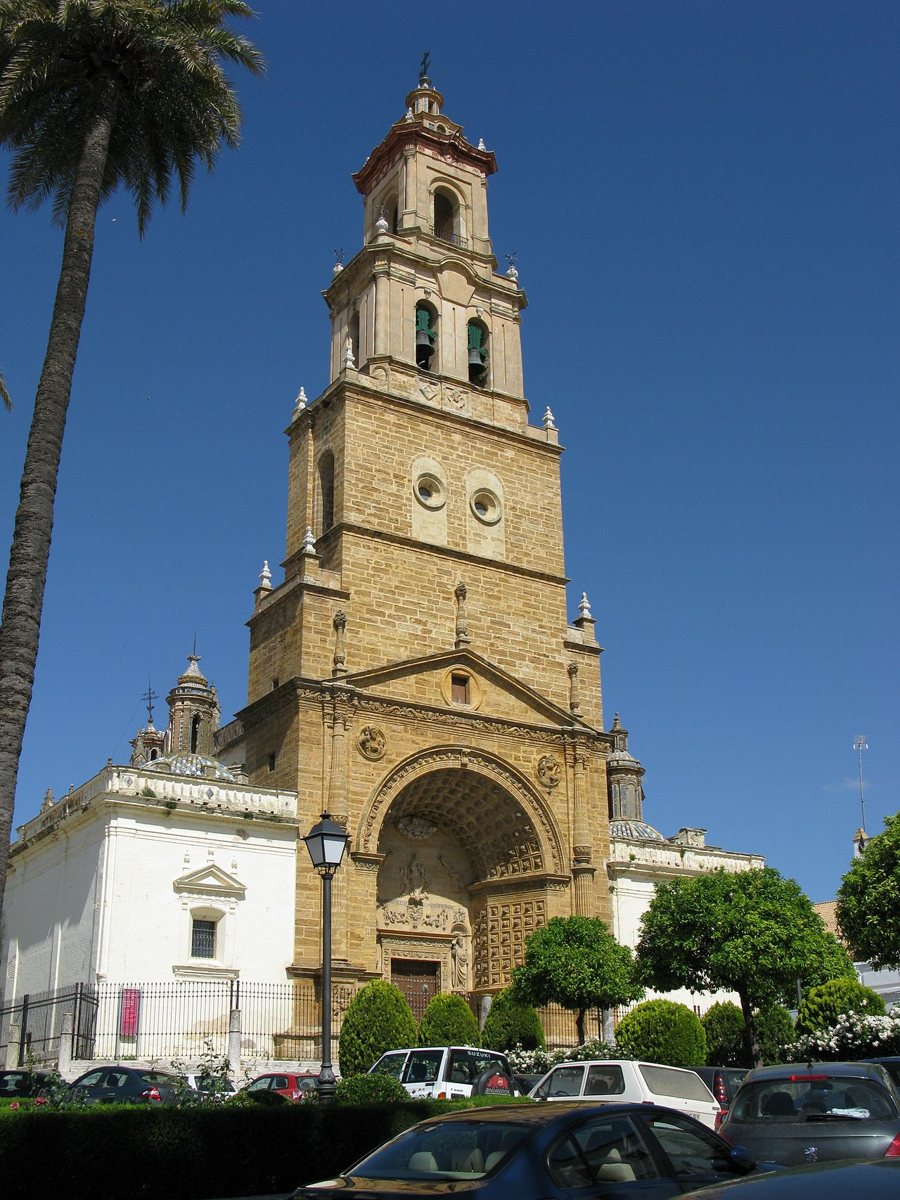
The Iglesia de Santa María de la Mesa is one of Utrera’s most striking landmarks. Its tower, grand portal and bright, open square make the church a good starting point for a walk, even if you only admire it from outside. Santiago el Mayor is another of the town’s important religious buildings. Both churches reflect Utrera’s religious and urban development, but it is best to keep expectations realistic: opening hours, services and access to certain areas may change.
The best place to begin your walk is a central square, then wander through the neighbouring lanes at your own pace. This leaves time to admire the façades, discover small squares and take a café break. If you’d like to see more historic churches and cityscapes, Córdoba is a much larger destination with a distinct character.
The castle and historic districts
The remains of the Castillo de Utrera stand on higher ground and help explain the historical importance of the Santiago district. From the castle complex, it is easier to understand Utrera’s setting: the historic town grew not only around individual monuments, but also along routes and squares and around elevated points. In the summer heat, it is best to plan the climb for the morning or late afternoon.
Utrera is at its most rewarding around Santiago and Santa María when a visit is more than a quick checklist. A two- to three-hour walk leaves time for the churches, the castle surroundings, the squares and a meal. For a comparison with other fortified old towns, you could also visit Carmona, which fits neatly into a route through the Seville hinterland.
Palaces, Plaza Gibaxa and the townscape
Utrera’s historic architecture extends beyond its churches and castle remains. Palaces and townhouses from several centuries show how wealth, trade and administration have shaped the townscape. The town hall, with its grand interiors, stands in Plaza Gibaxa; whether you can visit inside depends on municipal schedules and events. From the outside, the square is easy to include in a walk through the surrounding streets.
If you’re interested in architecture, don’t just look for the best-known building. Pay attention to portals, courtyards, windows and the sequence of squares. A visit to Andalusia on a cultural holiday can also help you see Utrera as a compact destination with a character of its own.
Mostachones and regional cuisine
Mostachones are one of Utrera’s culinary signatures. These flat, sweet pastries are traditionally associated with the town and make an easy souvenir to take home. Rather than buying them in passing, make them part of a break in the town centre. Cafés and restaurants also offer a chance to combine your walk with regional dishes, tapas and a leisurely siesta.
The food is a good reason not to squeeze your visit into the time between transport connections. If you arrive around lunchtime, you can eat first, then explore the churches and castle surroundings, and finish the day at one of the squares. For more culinary stops along the way, consider Jerez de la Frontera as your next destination towards Cádiz.
Flamenco, countryside and planning your trip
Utrera has strong ties to flamenco. An evening of music or dance works especially well if you stay overnight, giving you more time to get back after the performance and enjoy the atmosphere of the town. Before booking, check the venue, start time, performers and return transport; not every event is geared towards tourists. For background on flamenco styles and where to experience them, see Flamenco in Andalusia.
Beyond the centre, the surrounding area is shaped by routes through the Campiña, farmland, historic haciendas and wetlands. For walks or trips into the countryside, weather, shade and current access conditions are all important. Its connection to the Guadalquivir region makes Utrera a worthwhile stop on a slower route through southern Seville province. For getting there, see the information on transport in Andalusia; a car is useful for smaller destinations outside the centre, while the old town can be explored on foot. The Utrera tourism portal has up-to-date information on culture, sights and events.
Frequently asked questions about Utrera
Can you visit Utrera as a day trip from Seville?
Yes. One day is enough to see Santa María, the castle surroundings and some of the town-centre streets, and to enjoy a meal. Staying overnight is more relaxing if you’re also planning to attend a flamenco event or explore the surrounding area.
What should you see first in Utrera?
Santa María de la Mesa is a good landmark to start with. From there, you can make a walking route that takes in Santiago, the castle surroundings, Plaza Gibaxa and the historic streets.
Is Utrera only interesting for flamenco?
No. Its churches, castle remains, palaces, squares, mostachones and setting in the Campiña also make Utrera appealing to architecture and food lovers, as well as visitors touring the region.
When is the best time to explore the town on foot?
In summer, early morning or late afternoon is more comfortable. If you’re visiting during a festival or concert, check dates, expected crowds and opening hours in advance.
What are mostachones?
Mostachones are flat, sweet pastries traditionally associated with Utrera. They’re a typical edible souvenir and easy to take home.
Do you need a car in Utrera?
Not for the old town: its main sights are within walking distance of one another. A car offers more flexibility for countryside trips and smaller places outside the centre.
