
The Guadalquivir: Cities, nature and travel ideas along the river
The Guadalquivir brings together some of Andalusia’s most striking travel experiences: the old town of Córdoba, urban Seville, fertile plains, rice fields and wetlands on the Atlantic coast. If you want to experience the region as more than a series of individual cities, you can use the river as a thread running through a varied itinerary.
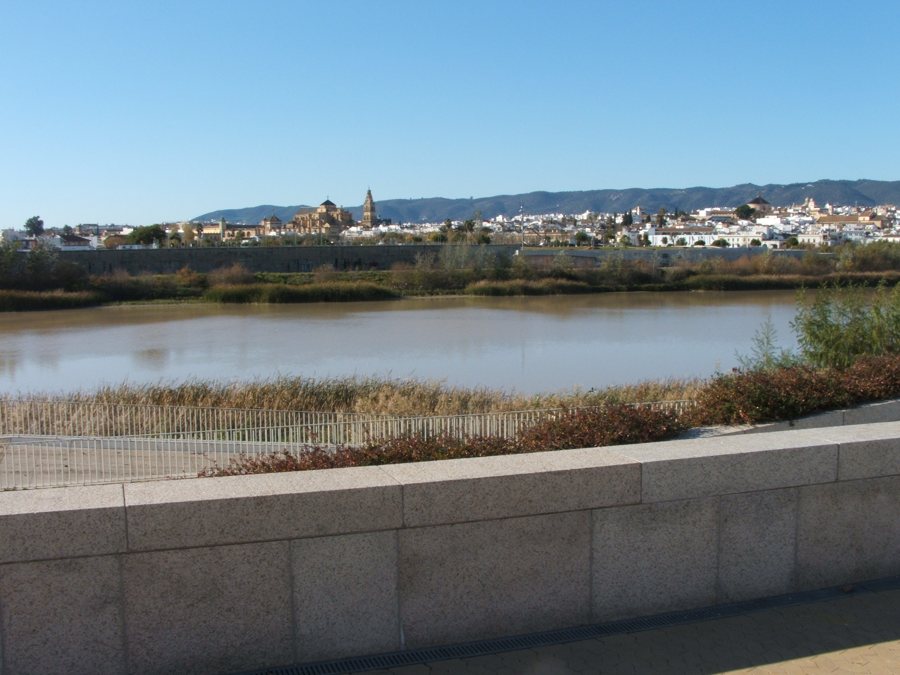 Der Guadalquivir in Córdoba. Foto: Luispihormiguero / Wikimedia Commons, Public Domain.
Photo: Luispihormiguero
Der Guadalquivir in Córdoba. Foto: Luispihormiguero / Wikimedia Commons, Public Domain.
Photo: Luispihormiguero
Guadalquivir at a glance
- The Guadalquivir rises in the headwaters of the Sierra de Cazorla in the province of Jaén.
- It flows through or near major destinations such as Córdoba and Seville.
- Its lower course passes through broad plains, marshes and agricultural landscapes.
- The river flows into the Atlantic at Sanlúcar de Barrameda.
- The train is convenient for Córdoba and Seville; a rental car is a good option for the lower course.
- Spring and autumn are generally more pleasant for a river itinerary than the hot height of summer.
- The route can be combined with city breaks in Andalusia or a round trip.
Córdoba and Seville: two very different river cities
In Córdoba, the Guadalquivir runs just below the historic old town. The Roman Bridge, riverside paths and views of the Mezquita’s silhouette make the river a natural part of a day in the city. If you’re staying longer, you can combine your visit with other destinations in the province of Córdoba.
Seville shows the urban side of the Guadalquivir. Riverside walks, the Triana Bridge and the promenades around the historic centre are easy to combine with a visit to the city. For help planning your first visit, see our guide to Seville; further side trips can take you to Jerez, Cádiz or the Atlantic coast.
A route from inland Andalusia to the Atlantic
A compact itinerary starts in Córdoba and continues to Seville. Three to four nights is a realistic amount of time for visiting both cities without rushing. If you want to include the lower course, allow for two more nights and continue through the landscapes west of Seville.
Good additions to the itinerary include Jerez de la Frontera, Cádiz and the towns at the river mouth. The province of Huelva offers further nature and coastal destinations. This lets you combine the Guadalquivir with a classic Andalusian road trip without changing accommodation every day.
Nature along the lower course and a visit to Doñana
Marshes, rice fields, salt marshes and farmland shape the landscape along the lower course. Its proximity to Doñana National Park makes this stretch especially appealing to visitors who want to combine cities and nature. In sensitive areas, use only official access points and authorised services; the Spanish environmental authorities publish the latest guidance.
Doñana is not a place for spontaneous detours through protected areas. Rules vary depending on the access point, season and activity. If you want to observe birds, wetlands or the landscape, check tour options and travel arrangements well in advance.
Food, farming and landscapes along the way
The Guadalquivir plain is characterised by olive groves, grain fields, vegetable crops and vineyards. The page on agriculture in Andalusia offers a helpful overview of regional produce. For a food-focused trip, you can also explore Andalusian wines and sherry from Andalusia.
If you’d like to explore the area actively, you can plan walks along the riverside in the cities, short trips into the floodplain or longer excursions in the surrounding nature areas. Find more ideas in our guide to active holidays in Andalusia; for a broader geographical overview, see the landscapes of Andalusia.
Getting there and practical planning
The train is a convenient way to travel between Córdoba and Seville, especially if your trip is focused on these two cities. A rental car is usually more flexible for visiting Doñana, the river mouth and smaller towns. Before booking, check transport in Andalusia as well as the airports and their distance from your first overnight stop.
In midsummer, sightseeing is more pleasant in the morning or late afternoon. Bring water, sun protection and sturdy shoes for riverside paths and nature excursions. For an itinerary with several stops, staying in two or three bases is usually more relaxing than changing accommodation every day.
Guadalquivir FAQ
Where does the Guadalquivir begin and end?
The river rises in the headwaters of the Sierra de Cazorla in Jaén and flows into the Atlantic at Sanlúcar de Barrameda.
Which places are good for a first trip?
Córdoba and Seville are the best starting points for a first itinerary. If you have more time, add the lower course, Jerez, Cádiz or the province of Huelva.
Can you experience the Guadalquivir by boat?
Sightseeing boat trips operate on the stretch through Seville. Check the departure point, season and available options before booking.
When is the best time to visit?
Spring and autumn are generally more pleasant for cities and nature excursions. In summer, the coolest times of day are early morning and evening.
How many days should you allow?
Three to four nights is a good starting point for Córdoba and Seville. Allow around five to seven nights if you’re including Doñana and the river mouth.
Can you visit Doñana independently?
Some areas are accessible, while others can only be visited on official guided tours or via designated access points. Check the latest rules and options before your visit.
