
Agriculture in Andalusia: Olives, Wine and Local Products
Agriculture shapes Andalusia’s landscapes, cuisine and many travel experiences: olive groves, vineyards, vegetable fields and citrus orchards lie between cities, mountains and the coast. Markets, bodegas and local shops offer easy ways to discover regional products and add a delicious stop to your itinerary.
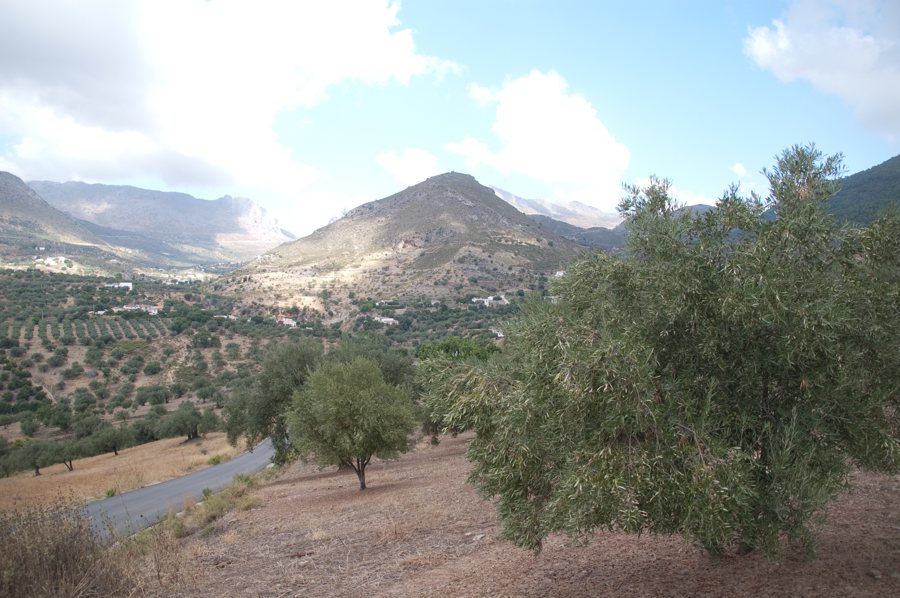 Olivenhain in andalusischer Berglandschaft.
Photo: A.Janßen
Olivenhain in andalusischer Berglandschaft.
Photo: A.Janßen
Andalusia agriculture at a glance
- Olive oil is one of the defining products of inland Andalusia.
- Jaén, Córdoba and Granada are major olive-growing regions, with extensive groves.
- Wine and sherry represent distinct regional styles, especially in the west.
- Around Almería, intensive greenhouse vegetable farming shapes the coastal hinterland.
- Citrus fruits, almonds, grains and vegetables are more or less prominent depending on the region and season.
- Market days, harvest periods and farm visits vary from place to place.
Olive oil and olive groves
Olive groves accompany many journeys through the inland areas between Córdoba, Granada and the eastern provinces. If you’d like to learn more about olive oil firsthand, ask about its origin at restaurants or look for tours at an oil mill or farm. Visits cannot always be arranged at short notice. The landscape pairs well with the landscapes of Andalusia and a trip to Córdoba.
Wine, sherry and bodegas
For a culinary trip, it’s worth exploring the regional differences between wine and sherry. Andalusian wine takes you to a variety of wine-growing areas and styles, while sherry is particularly associated with the area around Jerez. Jerez de la Frontera and the province of Cádiz make good starting points for visiting bodegas. Check opening hours, tours and tastings with the individual provider in advance.
Vegetable farming, citrus fruits and coastal landscapes
In the province of Almería, extensive greenhouse areas shape parts of the coastal hinterland. For visitors, this type of farming is a visible expression of the regional economy between the sea and the arid mountain ranges. Driving through the area makes the contrast between the coastal plain, greenhouses and mountains especially clear. Elsewhere, citrus orchards, grain fields or almond trees are more prominent. Information about Almería pairs well with a drive into the surrounding countryside.
Markets and regional products
Weekly markets, covered market halls and small food shops are often the easiest way to discover regional products. Olives, olive oil, cheese, spices, fruit and wine make tasty souvenirs, depending on your luggage and destination. Many markets open in the morning; the market day varies by location. If you’re planning a beach holiday in Andalusia, a market visit or drive through the hinterland can make for a relaxing change of pace.
Experiencing agriculture respectfully while traveling
Fields, plantations and greenhouses are workplaces, not freely accessible visitor attractions. Respect paths, gates and signs; visits to bodegas, mills or farms are subject to each business’s rules. The Junta de Andalucía publishes seasonal information and agricultural estimates. For practical travel planning, local opening hours and current traffic conditions remain the most important guides.
FAQ about agriculture in Andalusia
What products are typical of Andalusia?
Olive oil and olives, wine and sherry, citrus fruits, almonds and vegetables, as well as regional cheeses and cured meats, are among the products you’ll commonly find. The selection varies by region and season.
Where can you see especially large numbers of olive groves?
Olive groves cover large parts of inland Andalusia, particularly in the provinces of Jaén, Córdoba and Granada. Journeys between cities and smaller towns offer plenty of opportunities to take in the scenery.
When is the olive harvest?
The exact period depends on the variety, weather and farm. For a hands-on harvest experience or a visit, contact a provider directly.
Can you visit a bodega or an olive mill?
Some businesses offer tours or tastings. Schedules, languages, access and minimum group sizes vary, so confirm the details in advance.
Are fields and greenhouses open to the public?
No. Agricultural land is generally a workplace or private property. Please use only marked paths and do not enter farm premises without permission.
How can you combine agriculture with a city break?
A route through Córdoba, Granada or Jerez can be enhanced with markets, regional cuisine and an excursion into the surrounding countryside. This makes agriculture a tangible part of the trip without overloading your daily itinerary.
