
Moros y Cristianos in Andalusia: History, Parades and Travel Planning
Moros y Cristianos festivals bring together colorful parades, music and historical pageantry with the public life of the towns where they are held. If you are planning to attend one in Andalusia, check the specific location and local dates well in advance. This guide will help you understand the celebrations, plan your trip and take part respectfully.
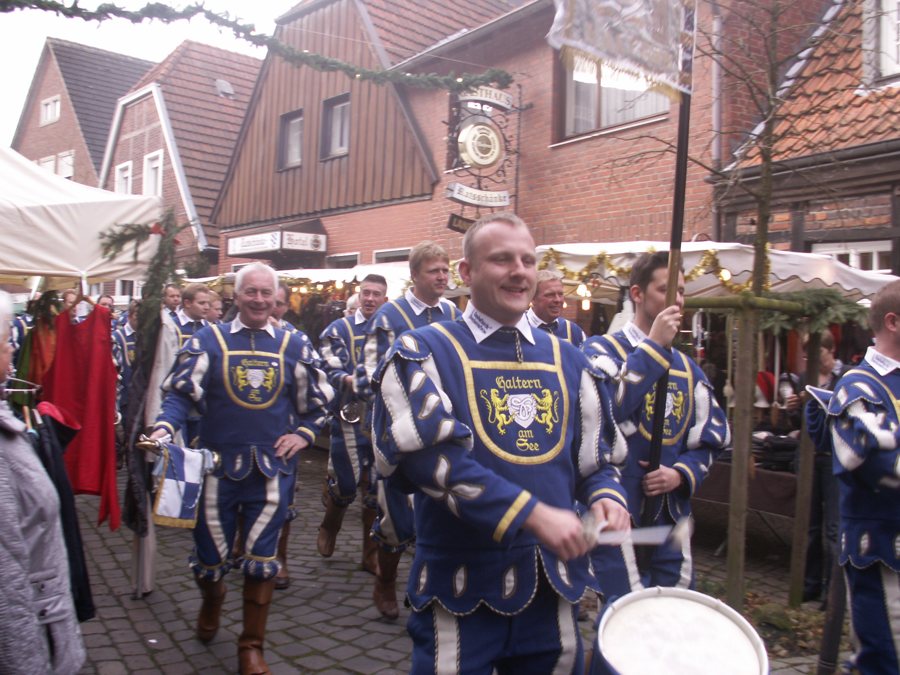 Symbolbild: festlicher Umzug in historischen Kostümen; das Foto zeigt nicht eine konkrete Fiesta de Moros y Cristianos.
Photo: Voyagemedia - RRinnau
Symbolbild: festlicher Umzug in historischen Kostümen; das Foto zeigt nicht eine konkrete Fiesta de Moros y Cristianos.
Photo: Voyagemedia - RRinnau
Key facts
- Moros y Cristianos festivals are local celebrations featuring historical pageantry, parades and music.
- There is no single festival for all of Andalusia; the format, location, date and significance vary from place to place.
- Costumes and festival groups draw on the medieval history of their respective towns.
- Parades, music, pageantry and religious or civic events may all be part of the program.
- The historical portrayal is a performance and should not be treated as a complete account of history.
- Check dates, road closures, access and schedules with the relevant municipality.
- Respect for local memory, religious references and present-day residents is an important part of visiting.
One festival name, many local traditions
The name Moros y Cristianos refers to a group of regional festivals, not to one event with a standard format. In the towns that celebrate them, historical conflicts, groups and memories are portrayed through parades, music and costumes. For travelers, the specific location is therefore key: only the town, date and program will tell you what to expect.
An official example from the Andalusia tourism portal describes the festivals in Benamaurel, Cúllar and Zújar in the Altiplano de Granada. It also shows why programs and dates should always be checked for the specific location. The festivals and events in Andalusia help place them within the region’s wider event culture.
Parades, music and historical pageantry
The celebrations often feature parades with festival groups, uniforms or historical costumes, brass bands and theatrical elements. Some events combine these with religious celebrations, while others focus more on street festivities, competitions or local associations. Visitors should therefore not assume that every festival follows the same set program.
The historical narrative uses symbolic roles and dramatic imagery. It can offer a way into a town’s history, but it is no substitute for a nuanced exploration of the actual historical relationships between Al-Andalus, the Christian kingdoms and later traditions of remembrance. For more on the region’s language and cultural context, see Andalusian; flamenco, by contrast, is a distinct cultural subject and is not automatically part of every festival.
Planning a festival day
During a fiesta, roads may be closed, buses diverted and squares filled early. Arrange your accommodation and return journey before setting out. If you are driving, plan to park outside the event area and walk in safely. If traveling by train or bus, check the last services for the specific day.
For families, noise levels, duration, crowds and opportunities to take breaks are all important considerations. Advice on family holidays can help with general planning, but each event should be assessed separately. A brief visit from the edge of the parade may be more enjoyable than spending the whole day in the busiest area. Comfortable shoes, water and an agreed meeting point are simple essentials.
Combining a festival with a trip around Andalusia
A fiesta can be combined with a stay in a city or countryside area, but it should not be squeezed into a packed itinerary without first checking the routes. Granada and Córdoba offer historical highlights, while Cádiz and the Costa de la Luz offer a different kind of trip. The best combination depends on where the festival is held, and actual travel times should be taken into account.
The Sierra de Aracena or a city break around Andalusia can also offer a more relaxed counterpoint. Discover regional food and local history through Andalusian cuisine. Above all, treat local traditions as more than a tourist backdrop: respect local rules, residents and religious references.
Dates and local etiquette
Festival dates vary by location and year. Shortly before your trip, check the program, parade route, access, traffic arrangements and any age or safety rules with the relevant municipality. Photography is usually permitted, but do not take pictures of people in personal situations without their consent. Be especially considerate around religious events.
A fiesta makes a good reason to travel if you are interested in local history, music and public life. If you are looking for a quiet nature holiday, combine your visit with an alternative plan and suitable accommodation. That way, your trip can still work well if the weather, program or traffic changes at short notice.
Frequently asked questions about Moros y Cristianos
What does Moros y Cristianos mean?
The name refers to local festivals with historical pageantry, parades, music and costumes. Their specific meaning and format vary from place to place.
Is the festival celebrated the same way throughout Andalusia?
No. There are different local traditions and events. Each location, date and program should be checked separately.
Should the historical portrayals be taken literally?
No. They are festive performances featuring symbolic roles and are not a complete historical account.
Can children attend?
That depends on noise levels, crowds and duration. Watching from the edges, taking breaks and agreeing on a meeting point can make the visit easier.
What clothing and equipment are useful?
Comfortable shoes, water and sun protection are useful for longer parades. For children, hearing protection, breaks and a clearly agreed meeting point can make the visit more enjoyable.
Where can I find current dates?
Check with the relevant municipality, local events calendar or tourist office. Older general calendars are not enough for planning a specific trip.
