
Romería del Rocío: pilgrimage, when to go and how to visit respectfully
The Romería del Rocío brings groups of pilgrims to El Rocío in the province of Huelva and shapes the region around Pentecost. Horses, carriages, singing and religious traditions define the atmosphere, while visitor numbers and the organizational demands increase considerably. If you want to experience the pilgrimage, plan your travel dates, accommodation, journey and respectful conduct in the area well in advance.
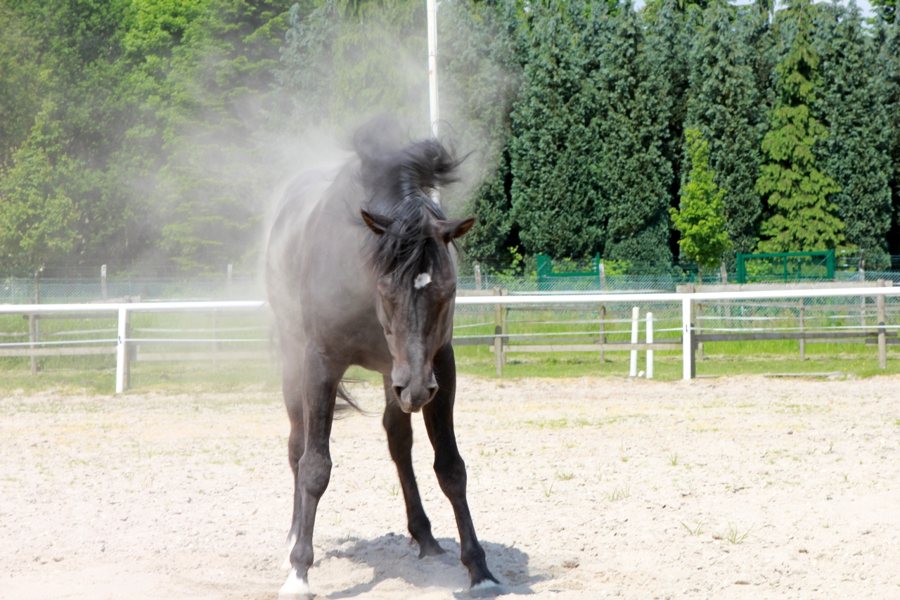 Symbolbild: Pferd in einer Arena; das Foto zeigt nicht das konkrete Wallfahrtsgeschehen in El Rocío.
Photo: dago
Symbolbild: Pferd in einer Arena; das Foto zeigt nicht das konkrete Wallfahrtsgeschehen in El Rocío.
Photo: dago
Romería del Rocío: key facts
- The pilgrimage destination is El Rocío, in the municipality of Almonte, province of Huelva.
- The main period is around Pentecost; the exact dates change each year.
- Pilgrim groups arrive by different routes and using various means of transport.
- Horses and carriages are a visible part of the tradition, but call for particular consideration.
- Accommodation, access roads and parking are heavily in demand on the main days.
- The nearby Doñana natural area has its own access points, conservation rules and visiting hours.
Understanding the pilgrimage and El Rocío
The Romería is not an ordinary town festival, but an event with a strong religious character. Many people come as part of organized groups, while others watch individual arrivals or take in the town’s special atmosphere. Visitors should avoid assuming that they know every detail of how things unfold: the reward of the trip lies in observing a living tradition attentively, rather than trying to pack the schedule as full as possible.
For geographical context, see the page on Almonte. If you would like to combine the pilgrimage with other stops, find ideas in Huelva, Moguer and along the Costa de la Luz.
Plan your travel dates and accommodation ahead
Around the main days, demand, traffic and available overnight accommodation all change. Book as early as possible and check before setting off which access roads, parking areas or shuttle services are currently in operation. The latest visitor information from Turismo de Almonte is the main municipal source for this information.
Also plan a realistic return journey and allow for longer waits. For a general overview of the year, see the guide to festivals and events in Andalusia. Outside the main days, El Rocío is usually easier to reach and can be combined with the surrounding area at a more leisurely pace.
Getting there and visiting for the day
Traveling by car gives you flexibility outside the pilgrimage period; during peak times, however, access roads, parking and routes through the town may be restricted. Check the latest information on traffic in Andalusia beforehand, and don’t set off without a plan for your return journey or an overnight stay. If you are traveling from further away, the information on airports may help with route planning.
A day trip is possible if you set off early, arrange meeting points away from crowded areas and allow plenty of time for the return journey. If you are coming from the western Costa de la Luz, you could add Ayamonte to your itinerary, but don’t underestimate the distance to the pilgrimage.
Combine El Rocío with Doñana
The Doñana National Park is in the same region, but it is not an impromptu add-on to the pilgrimage. Protected areas, guided tours and visitor centers have their own rules and time slots. It is best to plan the two experiences on separate days or leave plenty of extra time.
If you want to combine nature and the pilgrimage, take particular care to respect paths, wildlife and sensitive landscapes. The current rules for Doñana apply regardless of how crowded El Rocío happens to be.
Observe and take photographs respectfully
Keep paths and access points clear, follow barriers and observe instructions from authorities or event organizers. Ask permission before taking close-up portraits of participants, and keep a safe distance from horses and carriages. A discreet approach is more in keeping with the Romería’s religious character than loud or intrusive behavior.
Frequently asked questions about the Romería del Rocío
When does the Romería del Rocío take place?
The main period is around Pentecost. As the dates change every year, check the dates and municipal notices for the year you plan to travel.
Where is El Rocío?
El Rocío is part of the municipality of Almonte in the province of Huelva, on the edge of the Doñana area.
Can you visit El Rocío during the pilgrimage?
Yes, but the main days attract very large crowds. Make arrangements for accommodation, your journey there and back, and any access restrictions well in advance.
How far in advance should you plan accommodation and travel?
As the main days approach, rooms, parking spaces and flexible transport options may become harder to find. It makes sense to book early and have a backup plan.
Can you combine the Romería with Doñana?
Yes, preferably on separate days. Doñana has its own conservation rules, opening hours and, in some cases, activities that require advance reservations.
What should you bear in mind when observing and taking photographs?
Stay on designated paths, keep your distance from horses and carriages, and photograph people considerately, ideally after asking permission.
