
Costa Tropical: Beaches, Towns, and Excursions
The Costa Tropical lies along the coast of Granada province, between the Costa del Sol and the Costa de Almería. Its name refers to the mild coastal climate and the cultivation of subtropical fruit, but it does not describe the character of every place in the area. When planning your trip, it is worth comparing beaches, coves, port towns, excursions, and proximity to Granada and the mountains.
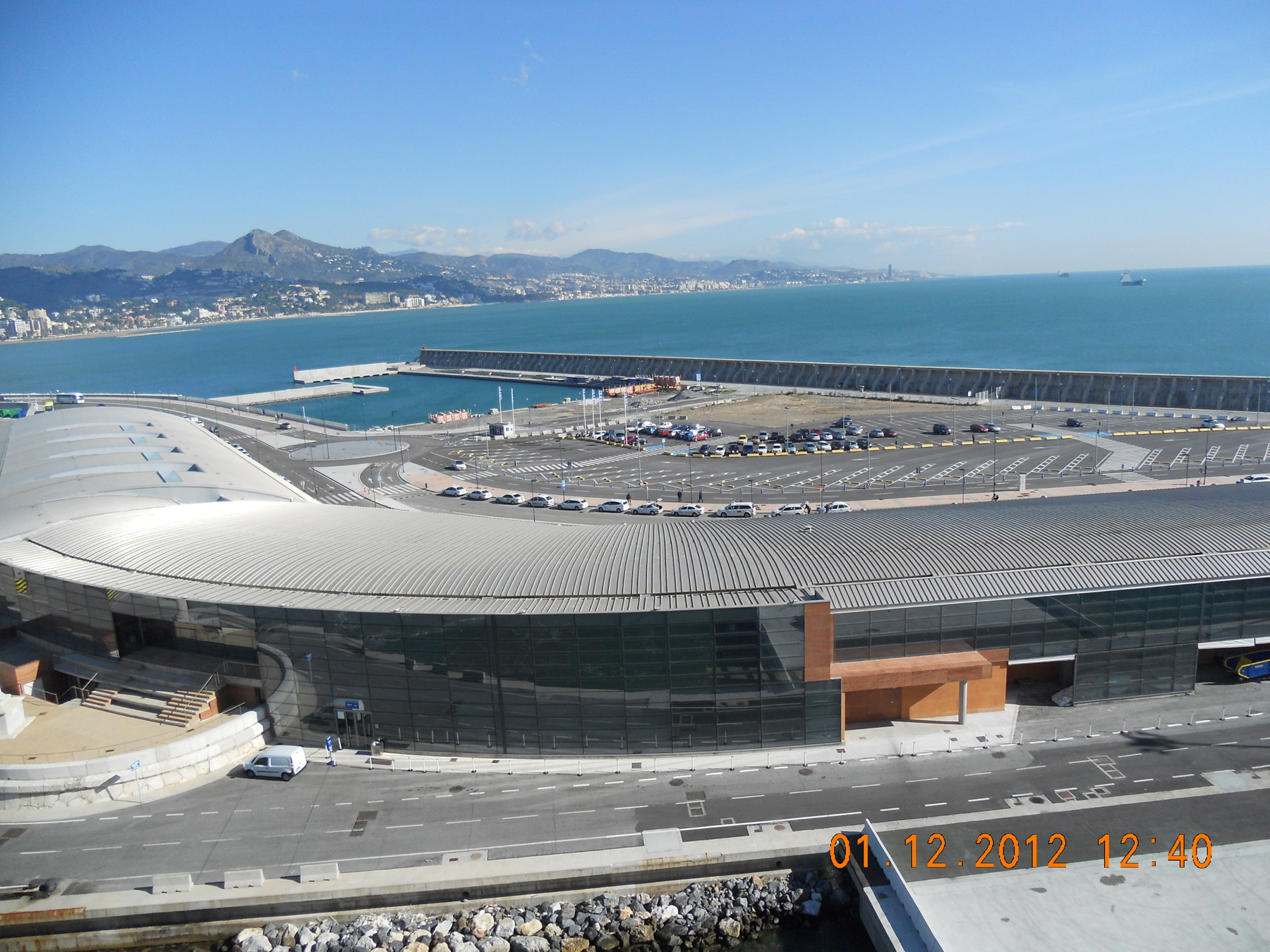 Blick auf das Meer und eine andalusische Küstenlandschaft.
Photo: Angelika + Peter Baczkowski (MaxTD Imagebank)
Key facts
- The Costa Tropical is part of Granada province and lies on the Mediterranean.
- Almuñécar, La Herradura, Salobreña, and Motril are important destinations for different types of holiday.
- The coastline combines sandy and pebble beaches, coves, rocky areas, and marinas.
- The inland landscape rises quickly towards the Alpujarras and the Sierra Nevada.
- Subtropical farming, including avocados, mangoes, and cherimoya, shapes many sheltered areas.
- Granada and the Alhambra make an excellent cultural excursion, but allow plenty of time and plan your visit in advance.
Almuñécar, La Herradura, Salobreña, or Motril
Granada province has several coastal towns with distinctly different atmospheres. Almuñécar combines an established town, beaches, shopping, and traces of its history. It is a good choice if you want to do more than stay by the sea on holiday and appreciate having everyday amenities close by.
La Herradura sits in a sheltered bay and is particularly appealing for watersports, diving, and trips along the rocky coast. The bay can be pleasant for families, but it is still worth checking the type of beach, wave conditions, shade, and the exact location of your accommodation. Motril is larger and more closely shaped by its port, the everyday life of the region, and connections to the inland area. This makes it an interesting choice for travellers who want convenient services and excursions without staying in a more traditional resort town.
Salobreña is known for its whitewashed old town and castle overlooking the coast. The town centre is not directly on a flat seafront promenade, so when choosing accommodation, consider the slopes, parking, and how you would like to get to the sea. To help you decide, compare the tips for a beach holiday in Andalusia with your own priorities.
Beaches, coves, and Mediterranean activities
The coastline is more varied than its shared name might suggest. There are open beaches for long days of swimming, smaller coves between the rocks, and stretches with the feel of a harbour or promenade. If easy access to the water matters to you, don’t choose based on photos alone: check the seabed, access, wave conditions, and distance from your accommodation. For families, an easy-to-navigate beach, places to find shade, short walks, and nearby shops are often more important than a particularly secluded spot.
La Herradura and the coast around Almuñécar are well suited to diving, snorkelling, kayaking, and other activities, depending on the weather and local operators. If you’re planning SUP, sailing, or other activities, the guide to watersports in Andalusia offers tips on choosing an area. The Costa Tropical also combines active holidays in Andalusia with coastal walks, cycling routes, and excursions into the mountains. For organised activities, check dates, requirements, and safety rules locally.
A mix of mountains, agriculture, and culture
The Costa Tropical’s greatest strength is the quick transition between the sea and the mountains. Valleys, gorges, and white villages begin just inland from the coast. Avocados, mangoes, and cherimoya grow in sheltered areas. You can discover this side of the coast at markets and through local produce, without assuming that any one product is representative of the entire region.
For a day of culture, consider visiting Granada. The official Alhambra website provides information on visiting hours, entrances, and ticket purchases. If you want to explore the interiors and gardens at a relaxed pace, don’t squeeze a visit in spontaneously between beach plans. Guadix and the villages of the Alpujarras can also make good excursions, but depending on where you are staying, they may involve a longer drive.
If you’d like to head higher into the mountains, you can include the Sierra Nevada in your plans. The coast and high mountains are geographically connected, but offer very different temperatures, routes, and challenges. Allow for altitude, changing weather, and the return journey when planning a day trip.
Choosing the right time to travel and accommodation
Thanks to its sheltered areas and mild climate, the coast is appealing at many times of year. In summer, the beach and sea beckon, although heat, high demand, and finding parking can affect your plans for the day. Spring and autumn are often pleasant for excursions and walks. In winter, the region remains an attractive destination for culture, food, and quieter days by the coast, although not every accommodation and beach facility operates in the same way all year round.
Accommodation on the promenade makes beach days and restaurant visits easier. An apartment in the town centre may offer more everyday amenities, while a spot above the coast can come with views as well as steep slopes. For a family holiday, lifts, step-free routes suitable for pushchairs, shade, and short walking distances are especially important. If you’d like to combine the coast with cities, find more ideas on the page about city breaks in Andalusia.
Costa Tropical FAQ
Where is the Costa Tropical?
It lies on the Mediterranean coast of Granada province, between the Costa del Sol and the Costa de Almería. Well-known places include Almuñécar, La Herradura, Salobreña, and Motril.
Is the Costa Tropical suitable for families?
Yes, provided the beach, accommodation, and routes are right for your family. Some coves and towns are easy to get around, while others have pebbly beaches, steep slopes, or stronger waves.
Which places are good for a first visit?
Almuñécar offers a bit of everything, La Herradura has more of a bay-and-watersports feel, Salobreña combines the coast with an old town, and Motril offers more urban amenities. The best choice depends on how you plan to spend your days.
Can you travel from the Costa Tropical to Granada?
Yes. The journey time depends on your starting point, traffic, and destination in Granada. If you plan to visit the Alhambra, arrange your visit and tickets in advance through the official website.
What activities are there besides swimming?
Depending on the weather and local operators, options include diving, snorkelling, kayaking, hiking, cycling, visiting mountain villages, and cultural destinations such as Granada.
When is the best time to visit?
The warmer months are the obvious choice for classic beach days. Spring and autumn are often good for a mix of coast, excursions, and outdoor activities. Check the latest weather and opening arrangements in advance.
