
Riding Holidays in Andalusia: Regions, Tours and Planning
A riding holiday in Andalusia combines wide beaches, olive groves and mountain scenery with the distinctive horse culture around Jerez de la Frontera. Guided rides are available for beginners, as well as multi-day trips for experienced riders, but the region, season and level of difficulty should be carefully matched to your ability. Check the provider, horses, equipment and meeting point in advance for a more relaxed trip and a more realistic idea of how long the tour should take.
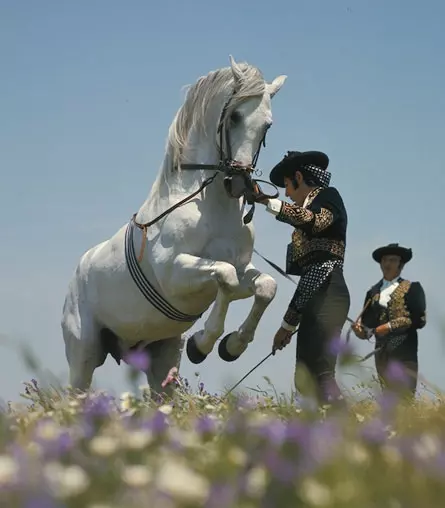 Ein Reiter führt ein weißes Pferd in traditioneller andalusischer Reitkleidung vor.
Photo: Tourspain
At a glance
- Beginners are best suited to guided rides with a clearly defined duration, small groups and a relaxed pace.
- Experienced riders can choose multi-day trips in the countryside or in suitable natural areas.
- For many longer routes, spring and autumn are more comfortable than the hot summer months.
- A helmet, sturdy footwear, sun protection and an honest assessment of your abilities are essential for safe planning.
- Beach rides depend on the tides, conservation rules, season and local regulations.
- Around Jerez, riding holidays go hand in hand with Andalusian horse breeding, equestrian shows and the Feria del Caballo.
Which region is right for your riding holiday?
The province of Cádiz combines Atlantic beaches, cork oak landscapes and horse culture. Around Jerez de la Frontera, riding schools, horse breeding and cultural events take centre stage. Along the Costa de la Luz, wide beaches and open landscapes can shape the character of a ride; however, whether riding directly by the sea is possible depends on the provider and local regulations.
Around Málaga, the coast and mountainous hinterland are relatively close to each other. Depending on the riding stable, places such as Mijas and the area around Ronda are suitable for rides with views of the sea or mountains. In the province of Granada and around the Sierra Nevada, elevation changes and variable weather need more careful consideration. Jaén is a good choice for travellers seeking olive-growing landscapes and quiet trails inland.
Choose a tour to suit your experience and goals
A one- to two-hour ride is a good first choice if you ride infrequently, are travelling with children or want to explore the area. Ask in advance about group size, pace, age limits, weight restrictions and how much of the ride will be at a walk, trot or canter. The provider should choose a horse and route that suit your experience and fitness level.
Longer day rides and multi-day trips require confident control of the horse, experience on trails and an appropriate level of fitness. Steep paths, heat, uneven ground and long hours in the saddle can challenge even experienced riders. Find out how luggage is transported, whether breaks are planned and what meals are included. If this is your first multi-day ride, choose a moderate route with fixed overnight stops rather than an overly ambitious itinerary.
Consider the season, heat and weather
In midsummer, rides should ideally start early in the morning or late in the afternoon. Inland, the heat and dry trails can be more demanding than on the coast. The climate along the Costa de la Luz is often milder, although Atlantic winds can change conditions. Spring and autumn are pleasant for longer trips in many regions. Some coastal areas are well suited to riding in winter, but at higher elevations you should check the weather and trail conditions and be prepared for last-minute changes.
Plan for drinking-water breaks, sun protection and clothing suitable for changing temperatures. Sturdy shoes with a small heel, long trousers and a well-fitting helmet are practical essentials. If you are unsure about the weather or ground conditions, let the provider decide whether to adjust or postpone the route. This protects both riders and horses and prevents a ride from becoming an unnecessary ordeal.
Experience Andalusian horse culture in Jerez
Jerez de la Frontera is an important centre for Andalusian horse breeding and equestrian art. The Feria del Caballo brings together horses, carriages, music and food; dates and programmes change each year. If you are travelling outside a major festival, you can plan a show or a visit to the Royal Andalusian School of Equestrian Art. Depending on the date, current offerings may include training sessions, museums, gardens, carriages and guided tours of the grounds and stables. Before booking, check the official visitor information from the Real Escuela for opening hours, access and current prices.
A visit to Jerez can be combined with a sherry tour and a stroll through the old town, the Alcázar and the cathedral. This also makes for a varied itinerary for travel companions who are not riding. Accommodation and transfers are in higher demand during major equestrian events, so book early if you are travelling for a specific date.
Check the provider and safety arrangements before booking
Be honest about your riding experience and ask about the horses’ temperaments, group size and supervision. Also check the meeting point, transfers, language of instruction, insurance, cancellation policy and what equipment is provided. For children, be sure to ask about age, height and experience requirements. A reputable provider will begin with a clear briefing and give you plenty of opportunity to ask questions.
Beach and nature rides are subject to trail conditions, tides, protected areas and seasonal restrictions. Do not ride independently in restricted areas, and keep your distance from other animals, walkers and vehicles. Horse welfare comes first: unsuitable time in the saddle, extreme heat or overly difficult trails are good reasons not to go ahead as planned.
Plan your accommodation and travel together
Choose accommodation that keeps the daily journey to the riding stable short. For a trip combining culture with the occasional day of riding, a base near Seville or Granada is a good option; if you are planning several rides, it is better to stay close to the provider. The airports in Andalusia can help you choose the most convenient place to arrive. Also check car hire, transfers and your return journey, as riding stables are not always located in city centres.
For a combined coastal stay, the Costa del Sol can make a suitable base. If you are mainly looking for nature and peace and quiet, consider driving times, shopping facilities and the availability of places to eat in the surrounding area. It is often easier to plan several short rides than to make long daily transfers to different meeting points.
FAQs about riding holidays in Andalusia
Can beginners go horse riding in Andalusia?
Yes, provided the provider specifically offers rides for beginners and the pace, horse, duration and terrain are appropriate. A short guided ride is generally a better introduction than a long day ride.
When is the best time for a riding holiday?
Spring and autumn are pleasant for longer rides in many regions. In summer, early or late departures, water breaks and a lighter daily schedule are important.
Are beach rides always possible?
No. They depend on the season, tides, conservation rules and local regulations. Ask the provider about the specific route and possible alternatives.
What clothes and equipment do I need?
Sturdy shoes with a small heel, comfortable long clothing, sun protection and a helmet are among the essentials. Check in advance whether a helmet, safety vest and other equipment are provided.
How do I find a suitable multi-day riding tour?
Consider the length of each stage, riding pace, elevation gain, group size, luggage transport and accommodation. An honest account of your experience will help the provider select a suitable horse and route.
Can I combine a riding holiday with culture and the beach?
Yes. Jerez, Cádiz, Málaga and Granada offer cultural attractions, while the Costa de la Luz and Costa del Sol provide opportunities to spend additional days by the coast. Leave enough time between your ride, transfers and sightseeing.
