
Jaen
Hotels in Jaen, vacation rentals in Jaen: prices and descriptions
The province of Jaén brings together Renaissance cities, vast olive groves and major nature parks in northern Andalusia. When planning a trip, it is worth combining culture and scenery while allowing realistic travel times: Úbeda and Baeza are close to one another, while Cazorla, Segura, Andújar and Sierra Mágina require more time.
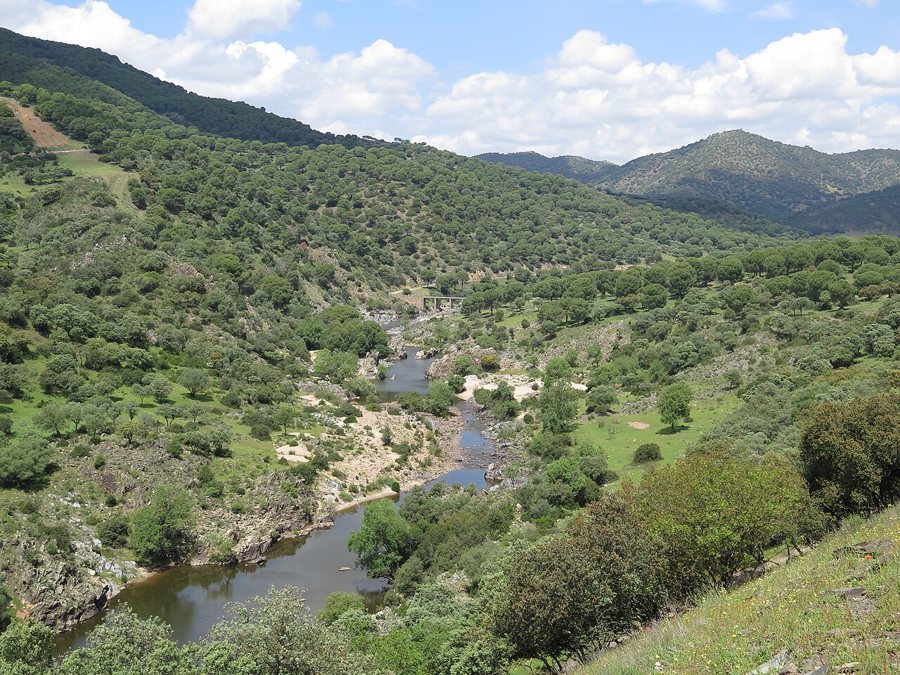 Flusslandschaft des Jándula in der Sierra de Andújar. Veinticuatro de Jahén / Wikimedia Commons / CC BY-SA 4.0 – Quelle: https://commons.wikimedia.org/wiki/File:Sierra_Andujar03.JPG – Lizenz: https://creativecommons.org/licenses/by-sa/4.0/
Photo: Veinticuatro de Jahén
Flusslandschaft des Jándula in der Sierra de Andújar. Veinticuatro de Jahén / Wikimedia Commons / CC BY-SA 4.0 – Quelle: https://commons.wikimedia.org/wiki/File:Sierra_Andujar03.JPG – Lizenz: https://creativecommons.org/licenses/by-sa/4.0/
Photo: Veinticuatro de Jahén
Úbeda and Baeza are easy to visit together. Palaces, squares and churches define Úbeda’s cityscape, while Baeza stands out for its compact old town, cathedral and university history. Two nights in either city give you enough time to see the main architectural highlights and enjoy relaxed evening strolls.
If you are planning just a day trip, allow for travel time between sights and for finding parking. Historic centres are often most pleasant in the early morning or late afternoon.
The city of Jaén is more than a transport hub. Its cathedral, Arab baths and Castillo de Santa Catalina bring together the city’s history and sweeping views across olive country. Allow time for the winding drive up to the castle and a walk around the grounds.
Fortresses and historic routes also shape the province beyond the capital. Alcalá la Real, with its Fortaleza de la Mota, makes a good stop on the way to Granada. If you are interested in historic landscapes, you can combine Jaén with the province of Córdoba or the province of Granada.
The neat rows of olive trees are Jaén’s signature landscape. Oil mills, small museums and tastings show how olives are harvested and processed, and how olive oils are graded for quality. The page on Andalusian olive oil offers an introduction to varieties, uses and flavours.
It is a good idea to get in touch in advance before visiting an oil mill or booking a tasting, especially during the harvest season. Extra virgin olive oil plays an important role in the province’s cuisine, featuring in soups, vegetable dishes, cheese and simple bread tastings.
The Sierras de Cazorla, Segura y Las Villas are especially appealing for multi-day nature trips. River valleys, forests, viewpoints and mountain villages are spread far apart; booking accommodation and planning each day with plenty of leeway makes getting around easier. Andalusia’s nature and national parks can help you compare other protected areas.
Sierra de Andújar and Sierra Mágina round out the options with quieter landscapes and their own hiking destinations. Wildlife sightings are not guaranteed. Keeping your distance, moving quietly and following local conservation rules matter more than getting a particular photo. The official Jaén Paraíso Interior tourism portal provides information about the province’s nature, cultural heritage and travel experiences.
Spring usually brings pleasant temperatures and green landscapes. Autumn is good for milder days on the trails and the start of the olive season. In the height of summer, try to plan sightseeing and longer journeys for the morning; the weather at higher elevations can differ from that in the valleys.
For a first road trip, consider the route Jaén city, Baeza, Úbeda and Cazorla. With more time, add Alcalá la Real, Sierra de Andújar or Sierra Mágina. If you are arriving from the west, you can travel via Sierra Morena; Córdoba and Granada can also be included in a longer cultural tour.
Three to four days is a good starting point for Jaén city, Úbeda and Baeza. Allow extra time for Cazorla or other nature parks.
The cities are accessible by bus. A rental car offers much greater flexibility for visiting nature parks, viewpoints and smaller towns.
Both cities showcase outstanding Renaissance architecture. They complement one another well and can be visited together on one trip.
Spring and autumn are more pleasant for many hikes than the height of summer. Before setting out, check the weather, trail conditions and local guidance.
Yes. The province has oil mills, museums and a range of visitor experiences. Arrange dates and access conditions directly in advance.
The best-known include the Sierras de Cazorla, Segura y Las Villas, Sierra de Andújar, Sierra Mágina and Despeñaperros.
