
Costa de la Luz: beaches, towns and when to go
The Costa de la Luz is Andalusia’s Atlantic coast, stretching between the Portuguese border and Tarifa. When planning a holiday here, you’re choosing not just between different beaches, but also between wind, dunes, nature reserves, port towns and the cultural hinterland. The coast in the provinces of Cádiz and Huelva is therefore suited both to relaxing beach days and to road trips with several stops.
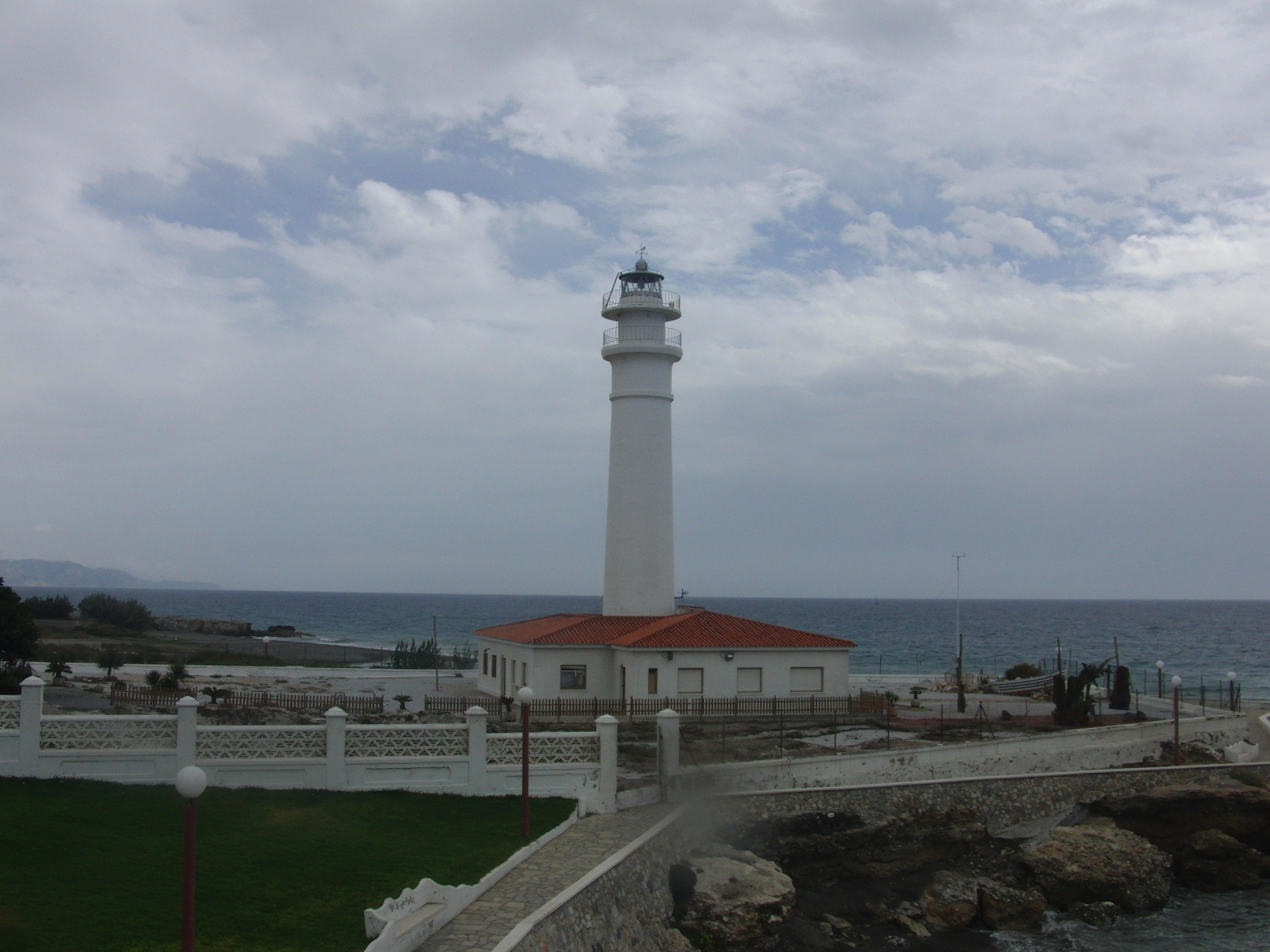 Weißer Leuchtturm mit rotem Dach an einer andalusischen Küste mit Blick auf das Meer.
Photo: A. Janßen (MaxTD Imagebank)
Key facts
- The Costa de la Luz lies on the Atlantic and is therefore quite different from the Costa del Sol on the Mediterranean.
- The coastal region includes beaches in the provinces of Cádiz and Huelva, but it is not a single holiday area with a uniform character.
- Tarifa is known for its strong winds and watersports; elsewhere, the focus is on wide sandy beaches and sheltered coves.
- Conil, El Palmar, Zahara de los Atunes, Sanlúcar, Punta Umbría, Isla Cristina and other towns each have their own strengths.
- The hinterland links the Atlantic coast with Jerez, Cádiz, white villages and protected natural areas.
- For families, beach access, surf conditions, shade, accommodation location and short distances matter more than any single promise about a destination.
Cádiz or Huelva: comparing two coastal regions
The province of Cádiz offers a varied succession of seaside resorts, dunes, cliffs and historic towns. In Cádiz, you can combine the Atlantic, the old town and the atmosphere of a port. El Puerto de Santa María makes a good base for beaches, food and excursions around the bay. If you’re interested in wine and equestrian culture, you can add Jerez de la Frontera to your itinerary.
Farther south, the landscape changes. Tarifa is more strongly shaped by the wind and its proximity to the Strait of Gibraltar. Gentler beach days, nature and regional cuisine can be combined with a visit to Sanlúcar de Barrameda. The best choice depends on whether you’re looking for a seaside city, a traditional resort, a windswept destination for watersports or as much nature as possible.
The province of Huelva feels more open and quieter in many places. Towns such as Ayamonte on the Portuguese border, Isla Cristina, Islantilla, El Rompido and Punta Umbría are good reference points for long sandy beaches and dune landscapes. Around Almonte, you’ll find access to the landscapes of Doñana. The emphasis here is less on a packed sightseeing itinerary and more on combining the sea, wide-open spaces and nature.
Plan realistically for beaches, wind and water
The beaches of the Costa de la Luz are not all the same. Some stretches are wide, open and fully exposed to the Atlantic. Others are more sheltered or shaped by dunes, rocks and coves. So it’s worth checking the specific beach access and location before booking. A beautiful beach outside the town center may be less convenient without a car; a centrally located town may be livelier and busier during peak season.
Wind is part of the region’s character on many days. Around Tarifa, the Levante or Poniente winds can determine the conditions for kitesurfing and windsurfing. Even along quieter stretches of coast, wind, currents and waves are not the same as at a sheltered Mediterranean beach. Information on watersports in Andalusia can help you choose the right activity. For children and inexperienced swimmers, supervised, easy-to-survey sections of beach and a check of local bathing advisories are especially important.
Nature and excursions beyond the beach
The Costa de la Luz is easy to combine with a program of nature and culture. Doñana National Park protects a significant landscape of dunes, wetlands, forests and coastal areas. The UNESCO page on Doñana provides an overview of its protected status. Visits and access depend on the specific area, so plan ahead using official information.
For cities and history, Cádiz, Jerez and Sanlúcar make three different additions to your trip. From the coast, you can also reach the white villages of Andalusia. If you’re looking for active pursuits, you can combine beach days with hiking and activity holidays. A road trip doesn’t have to include every well-known destination: two or three well-chosen bases are often more relaxing than changing accommodation every day.
When to go, where to stay and planning for families
Summer is an obvious choice for a beach holiday, but popular beaches are in greater demand, the heat is more intense, and some stretches of coast can be very windy. In spring and autumn, walks, nature excursions and city visits often work well together; water temperatures and weather can be more variable then. The coast is still appealing for road trips in winter, but not every area is set up for a traditional beach holiday.
When choosing accommodation, think about how you want to spend each day. An apartment in the town center makes shopping and restaurant visits easier, while a place outside town offers more peace and quiet and often quicker access to nature. For a beach holiday, the route to the beach, parking, shade and shops are just as important as the distance to the sea itself. Families can find more help with their decision on the page about family holidays in Andalusia.
Costa de la Luz FAQ
Is the Costa de la Luz suitable for a beach holiday?
Yes, especially if you’re looking for wide Atlantic beaches and plenty of space. However, waves, wind and water temperatures differ from those at sheltered Mediterranean beaches.
Which is quieter: Cádiz or Huelva?
That depends on the town and the time of year. Many parts of Huelva feel spacious and nature-focused, while Cádiz brings together more cities, seaside resorts and excursion destinations in a smaller area.
Is Tarifa suitable for families?
Tarifa can be a good choice for families if the wind, beach conditions and accommodation location are right. If you’re traveling with small children, pay particular attention to sheltered, easy-to-survey stretches of beach.
Do I need a car on the Costa de la Luz?
A car is useful for a road trip and for reaching remote nature areas or beaches. If you’re staying in a well-connected town, you can also arrange individual excursions in other ways.
Can I visit Doñana on my own?
Some areas are freely accessible; others can be explored only on designated routes or as part of guided activities. Check the current rules for your chosen access point before setting out.
When is the best time to visit?
The warmer months are usually chosen for swimming. Spring and autumn are often more pleasant for combining the coast, nature and cities; check the weather and opening conditions before your trip.
